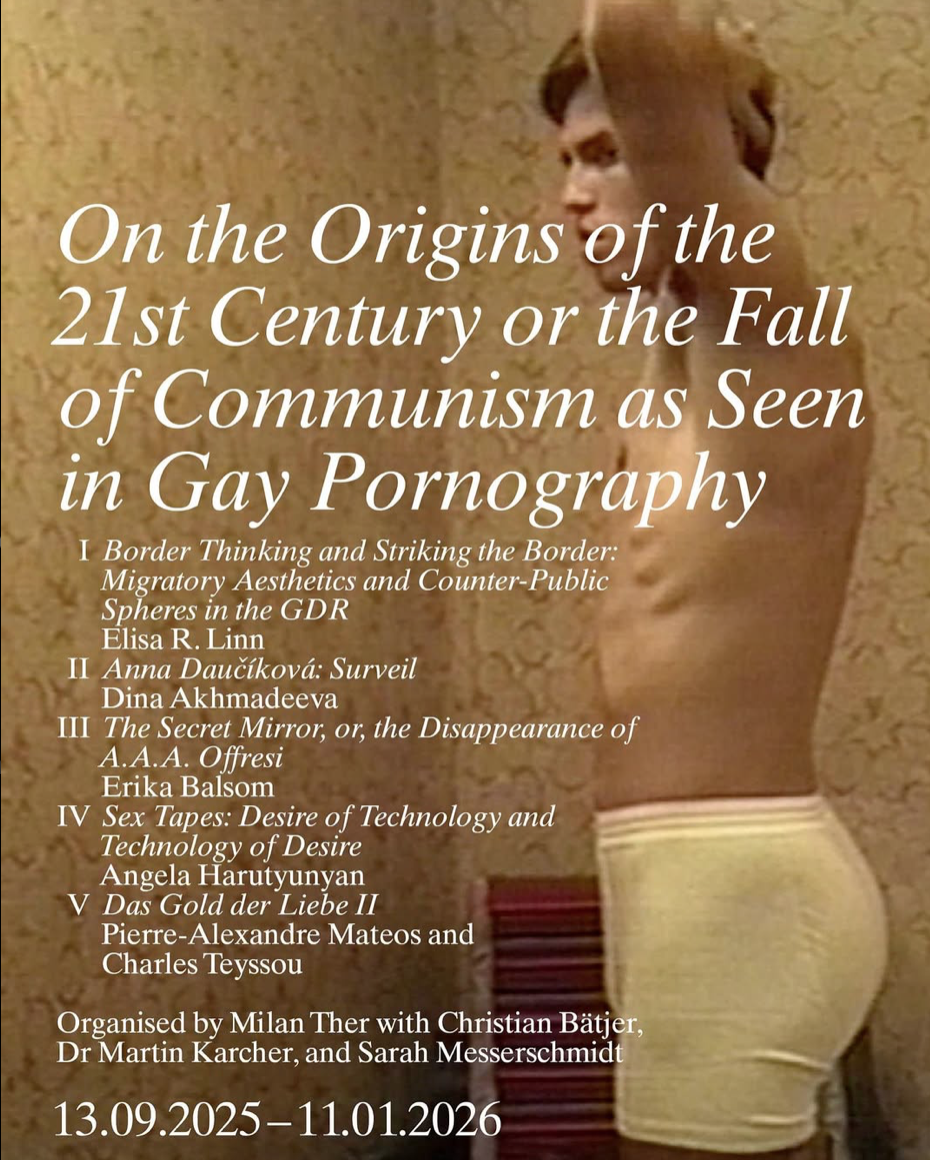
On the Origins of the 21st Century or the Fall of Communism as Seen in Gay Pornography
2025
Kunstverein, Hamburg, Germany
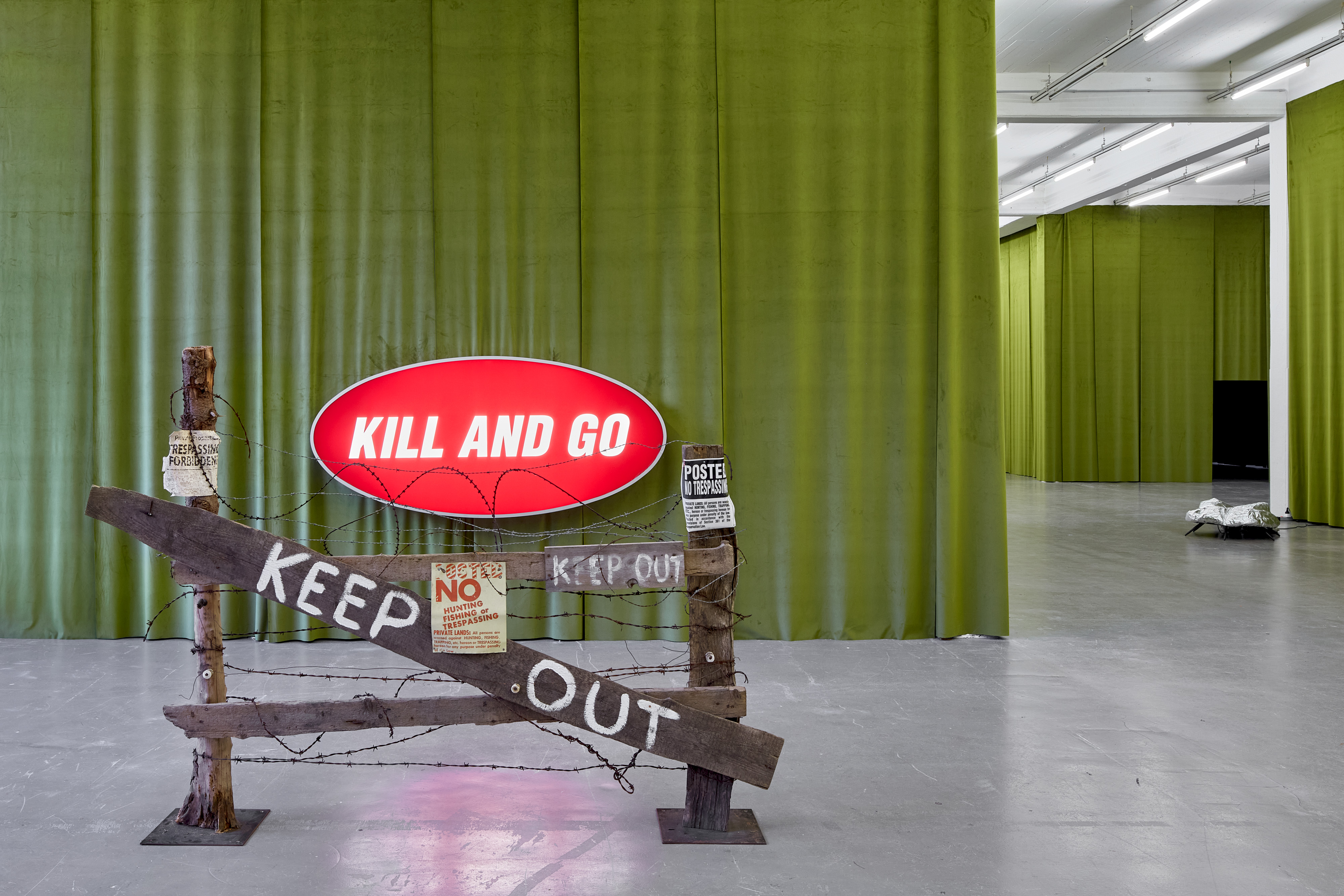
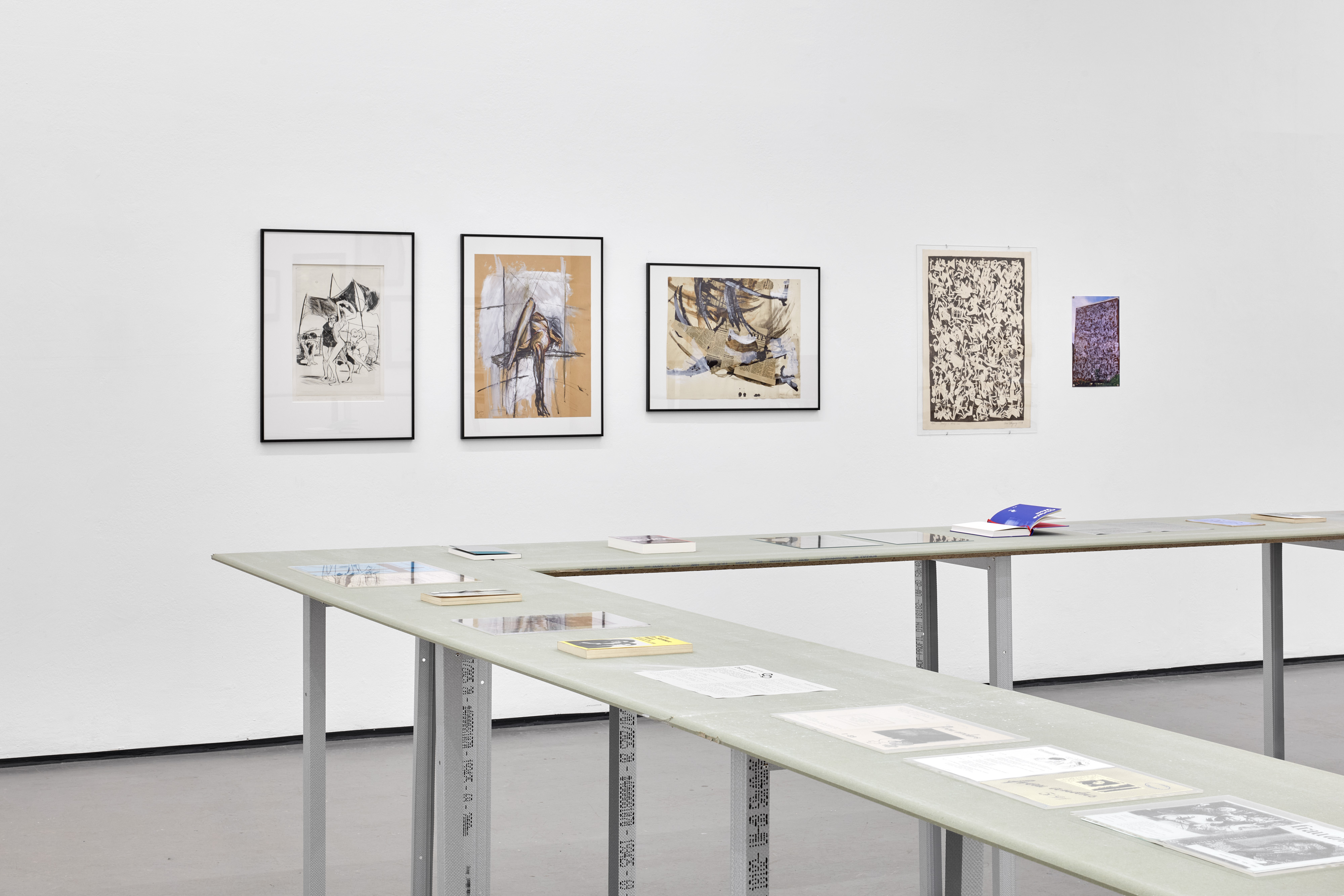
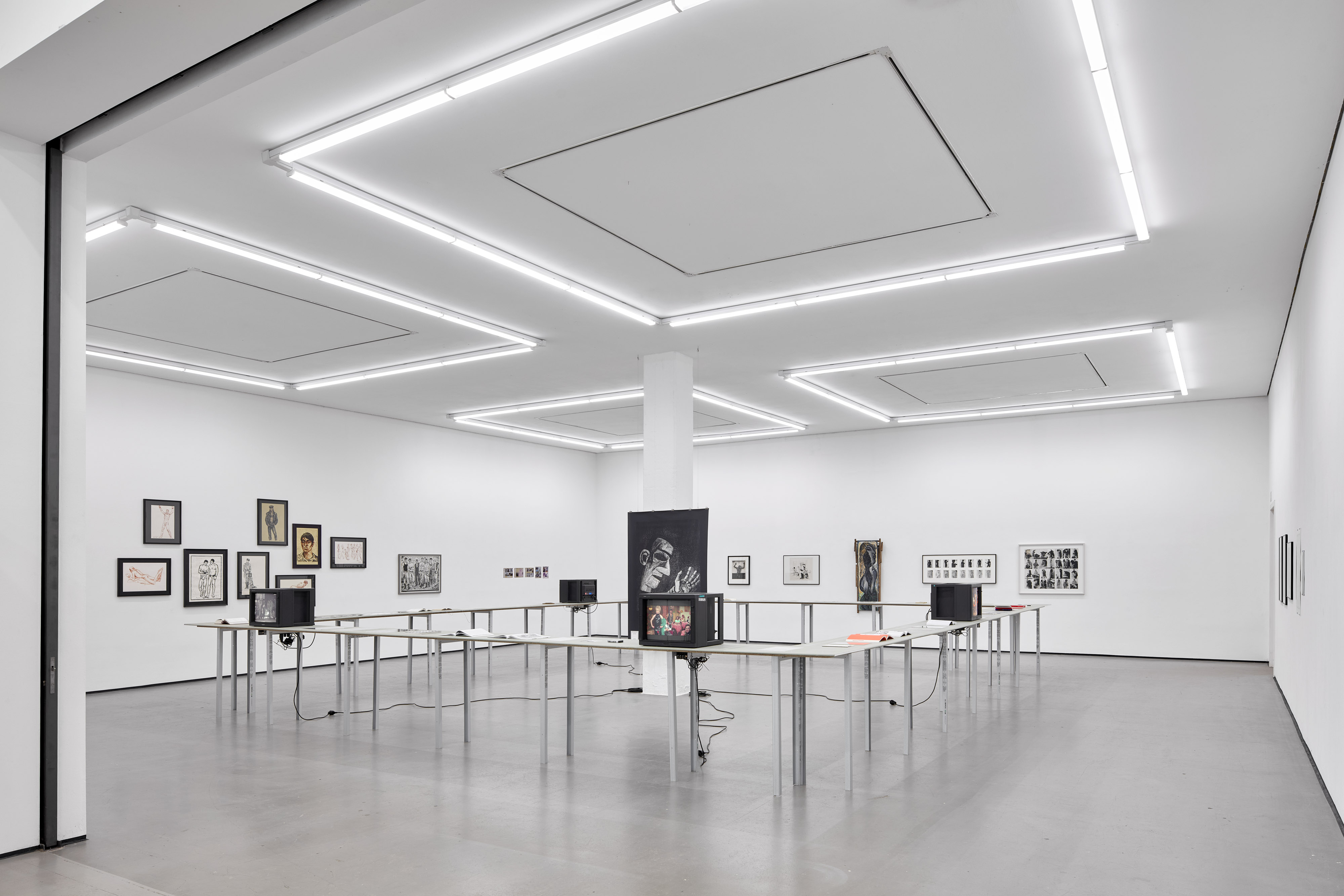
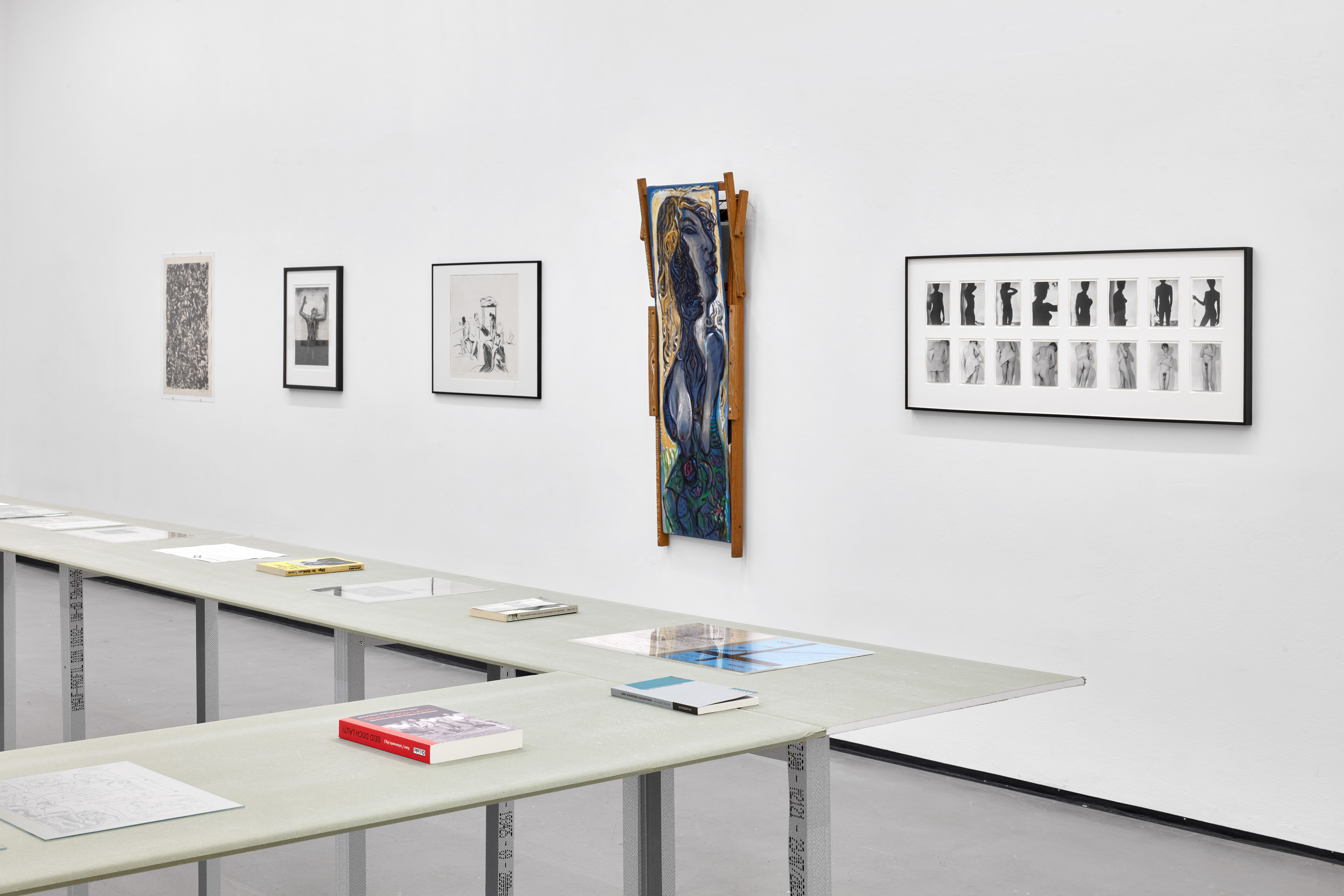
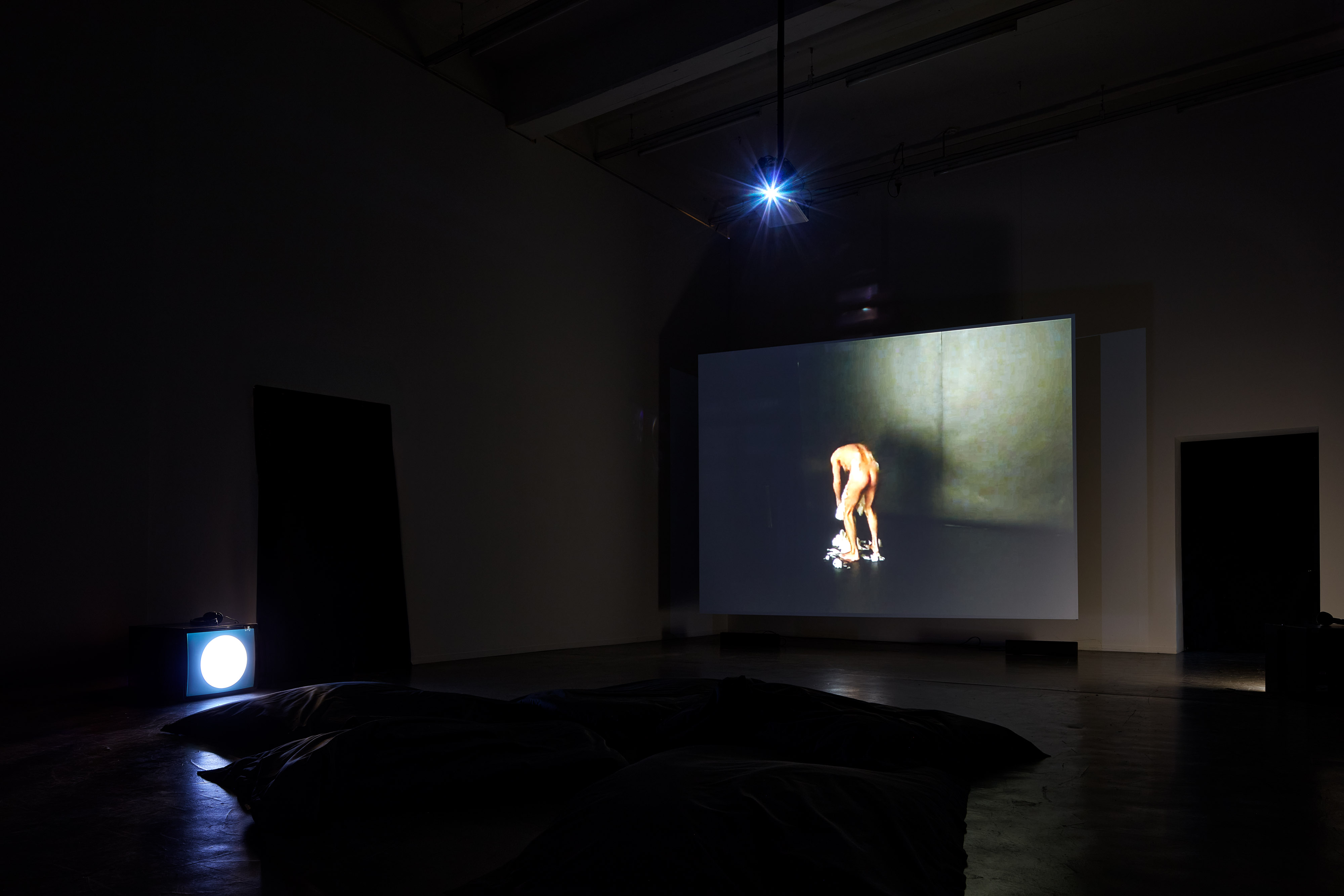
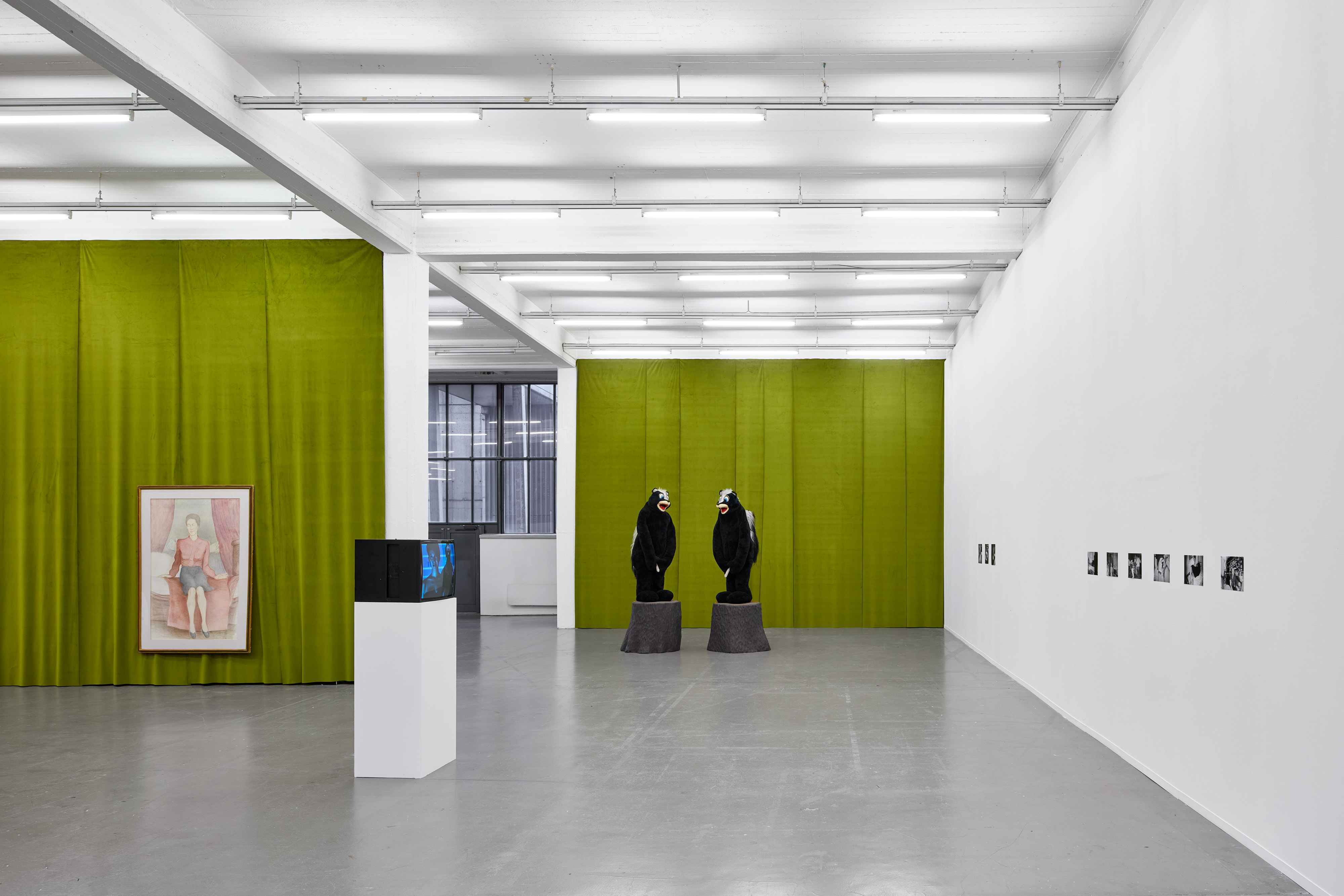
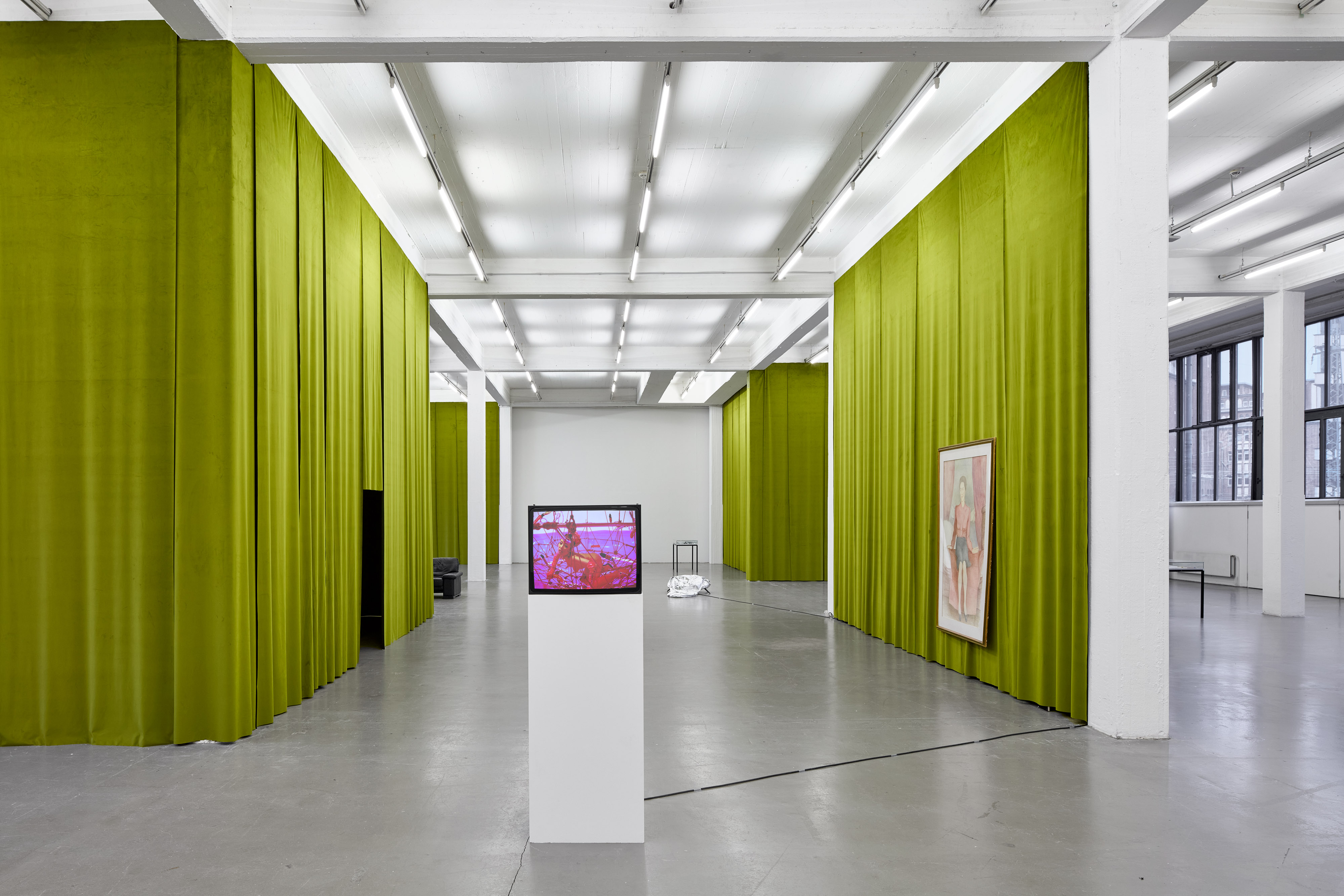
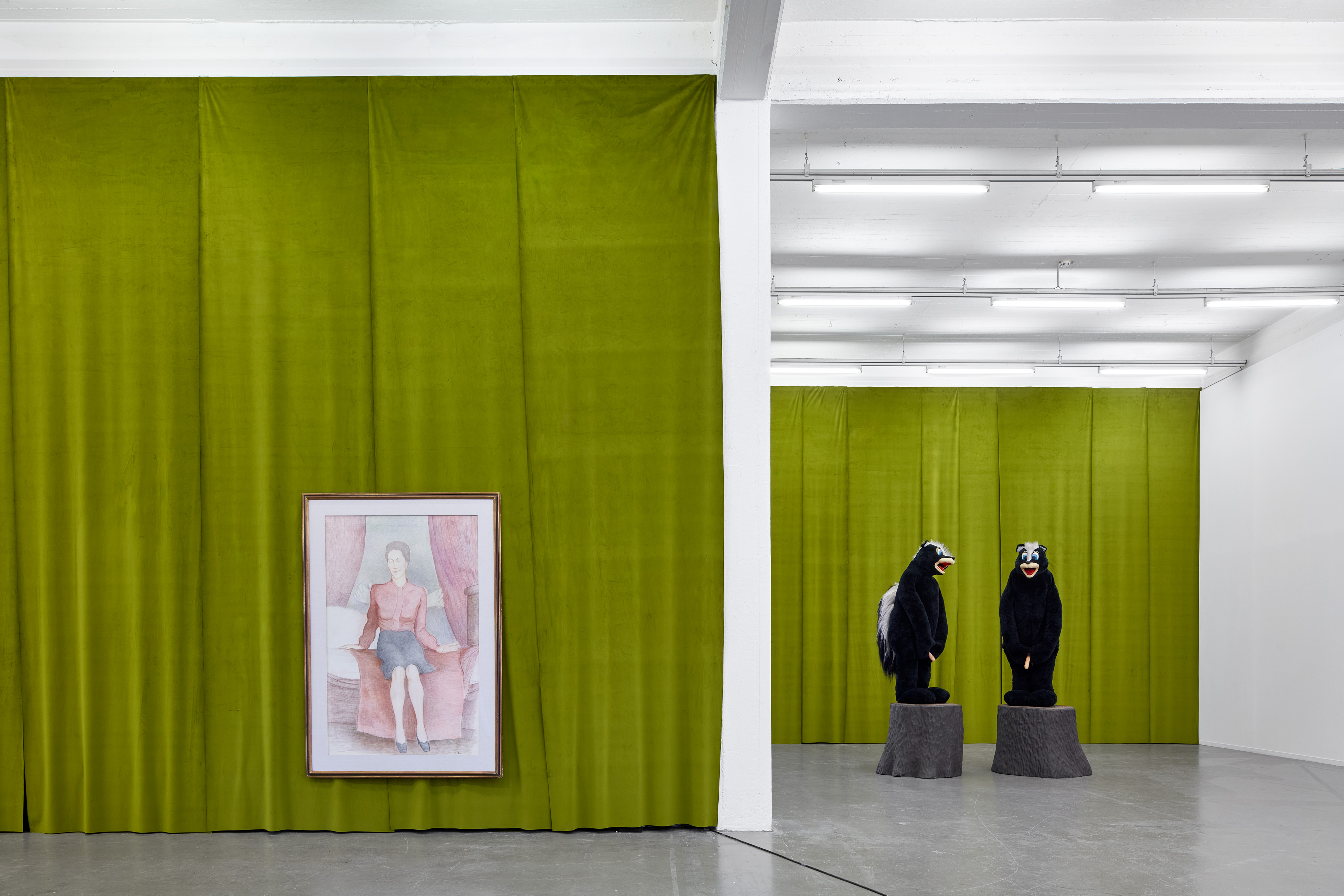
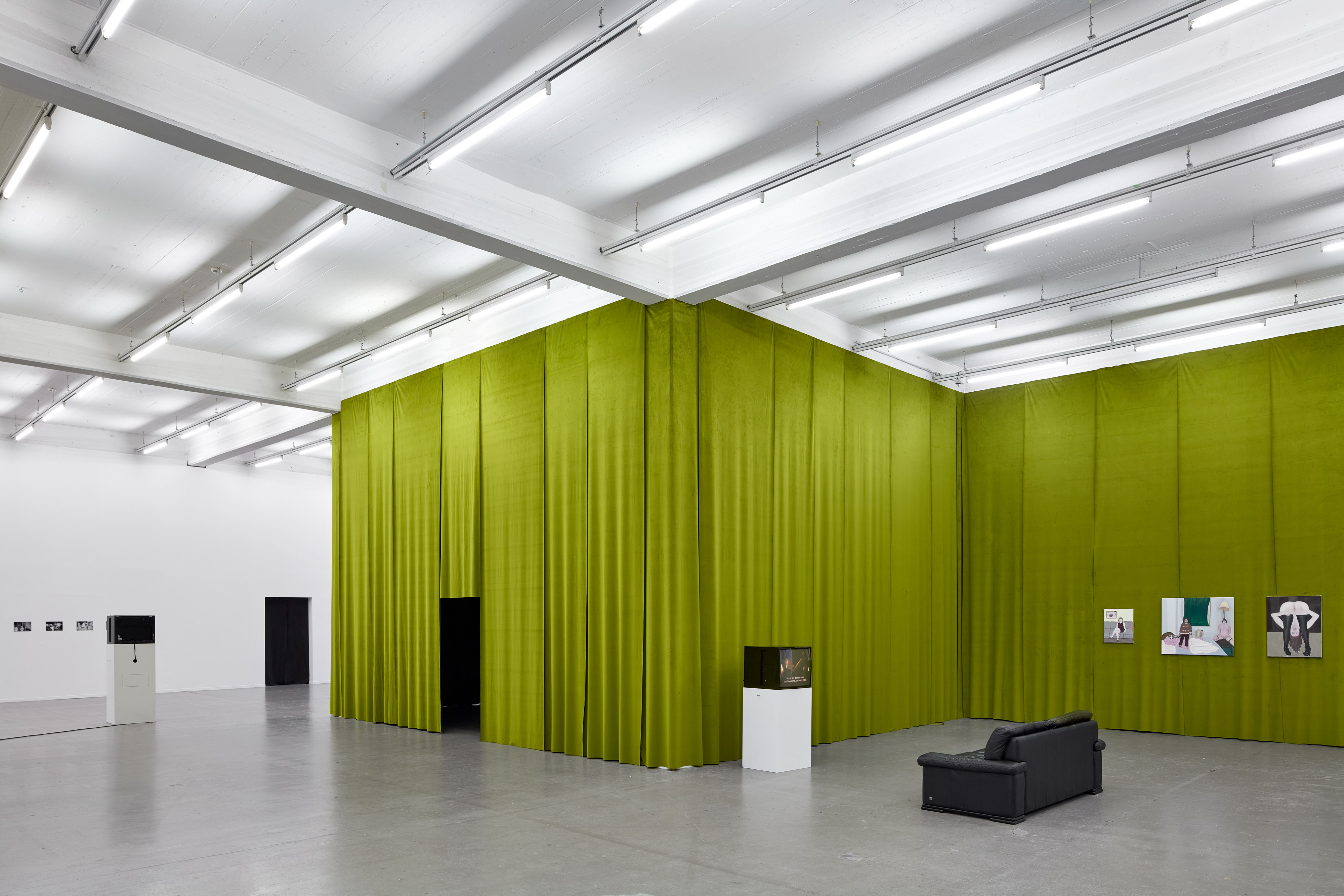
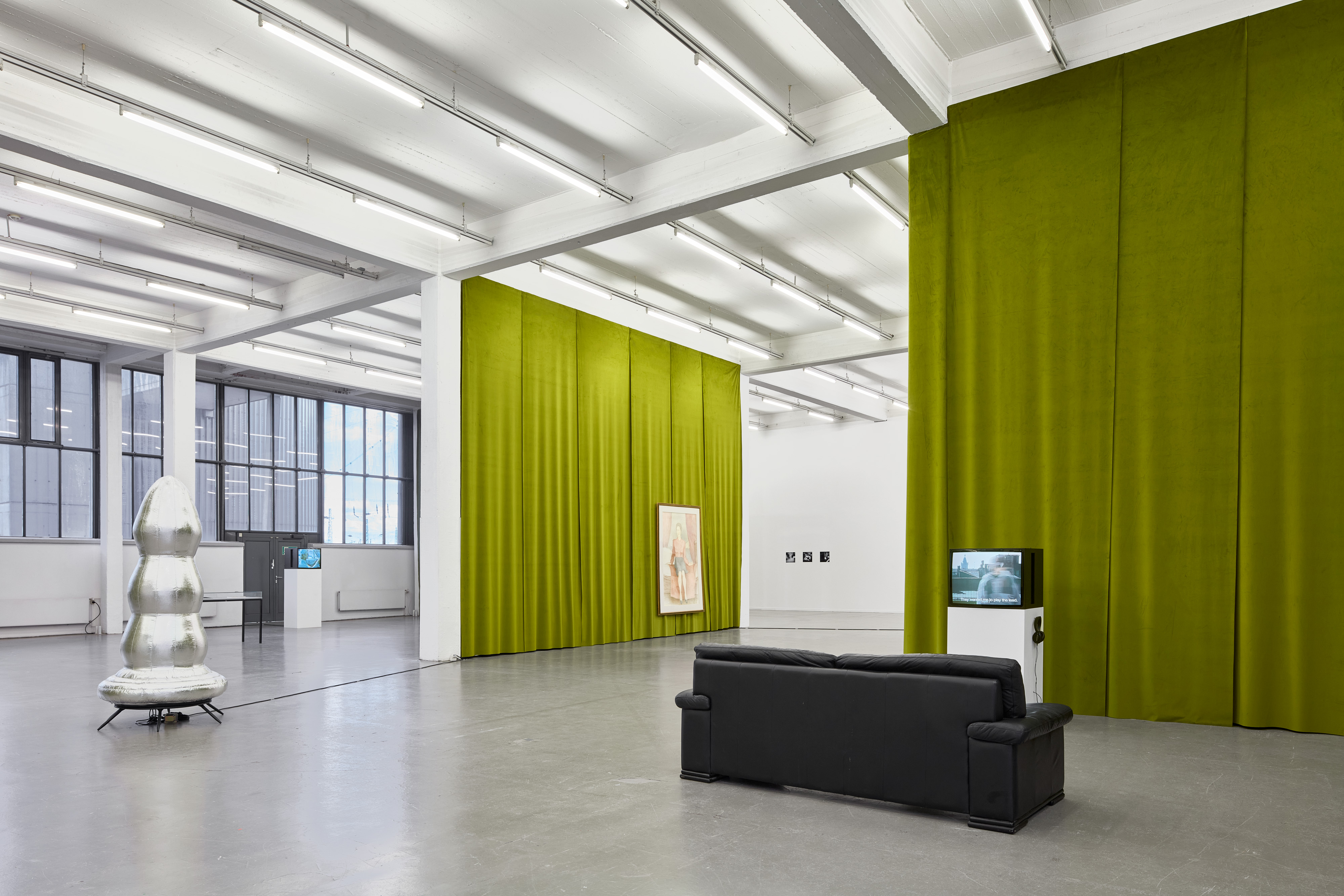
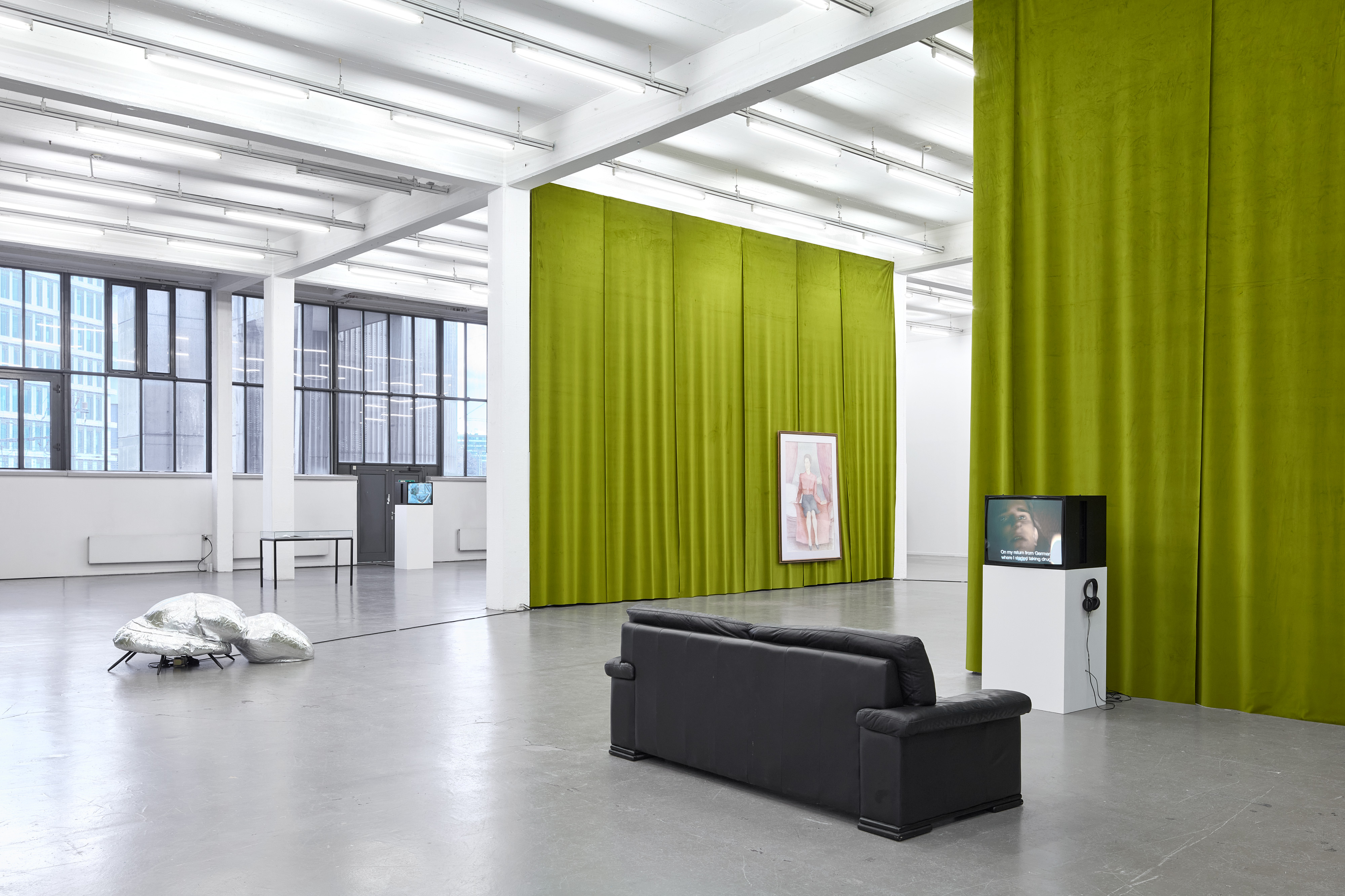
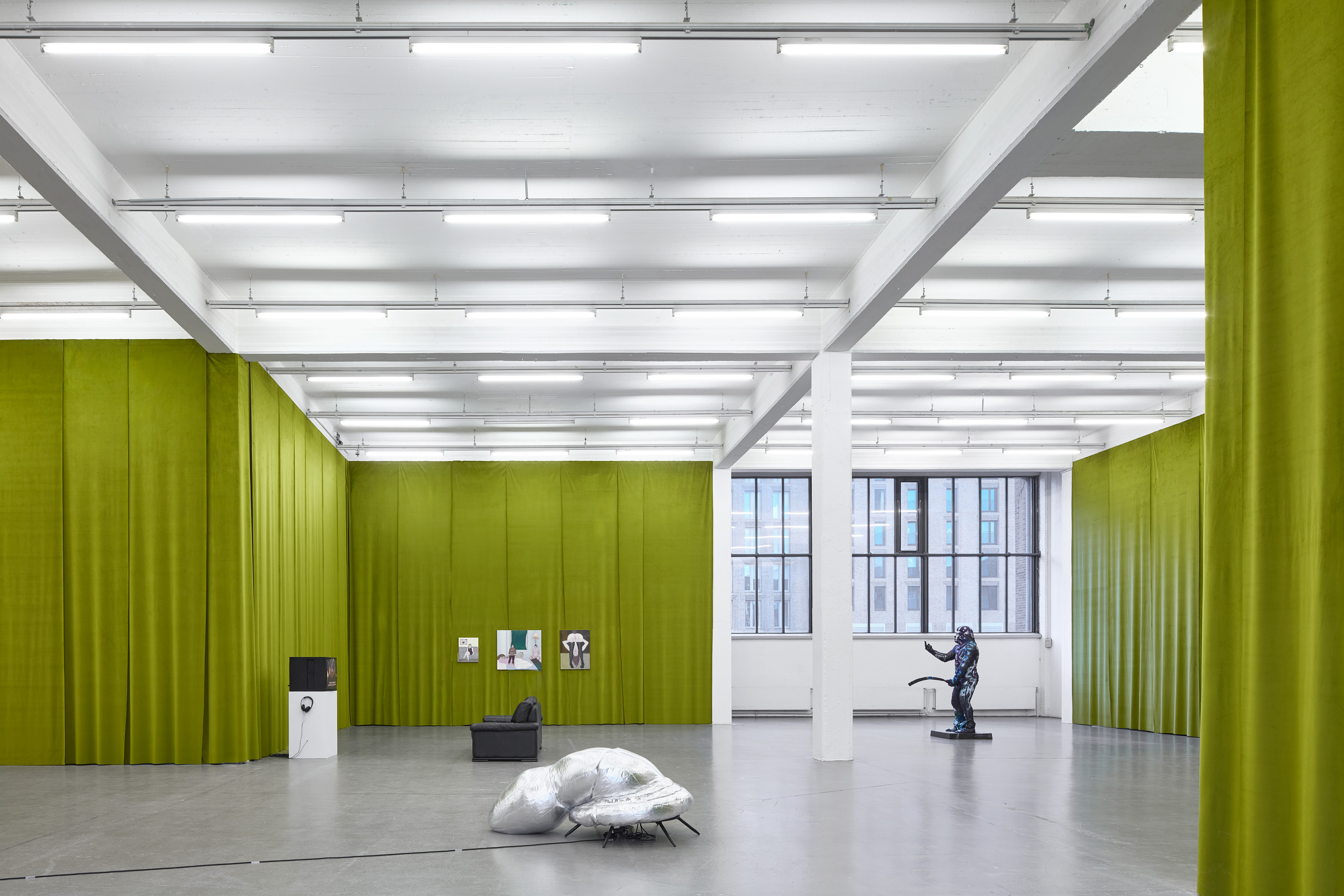
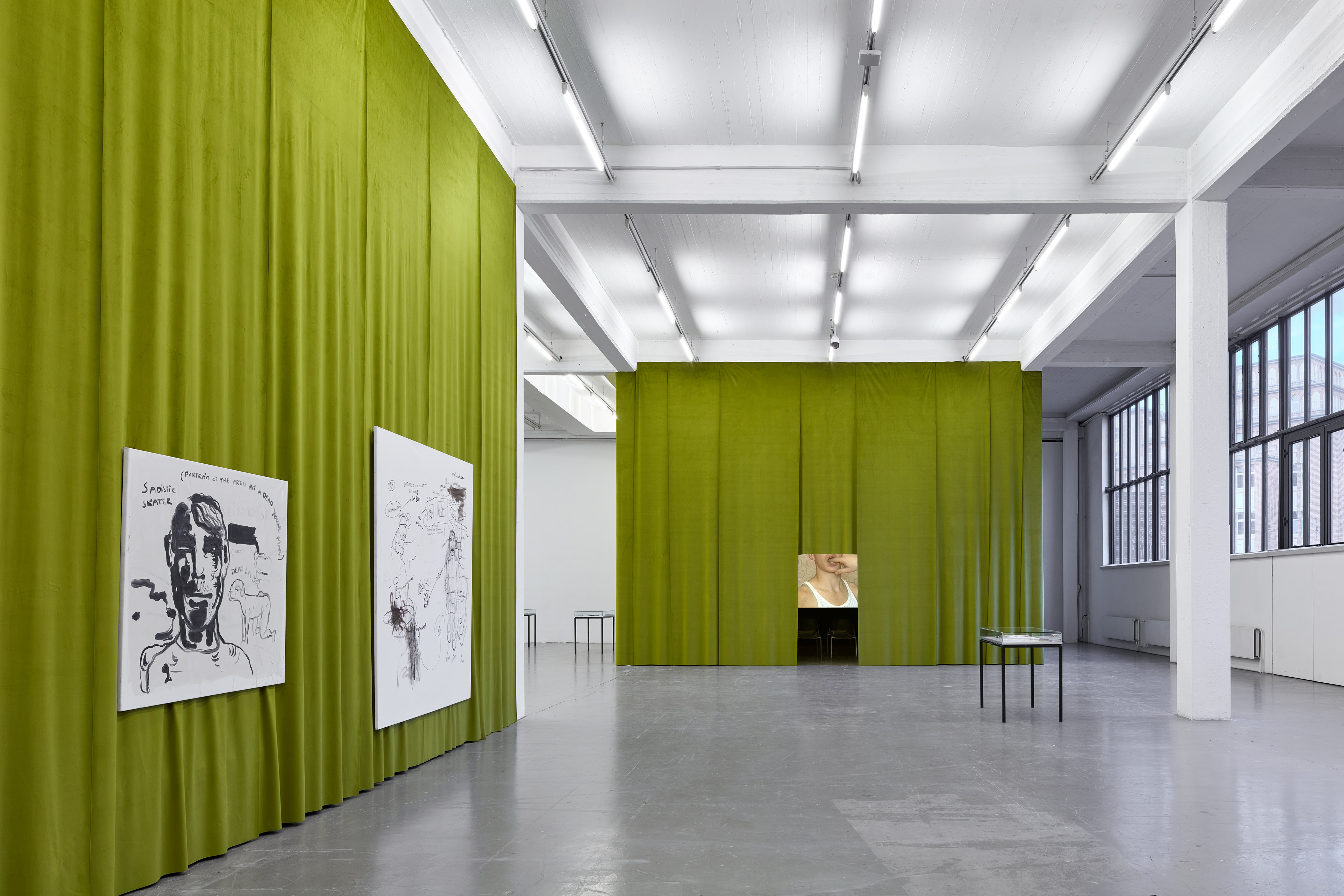
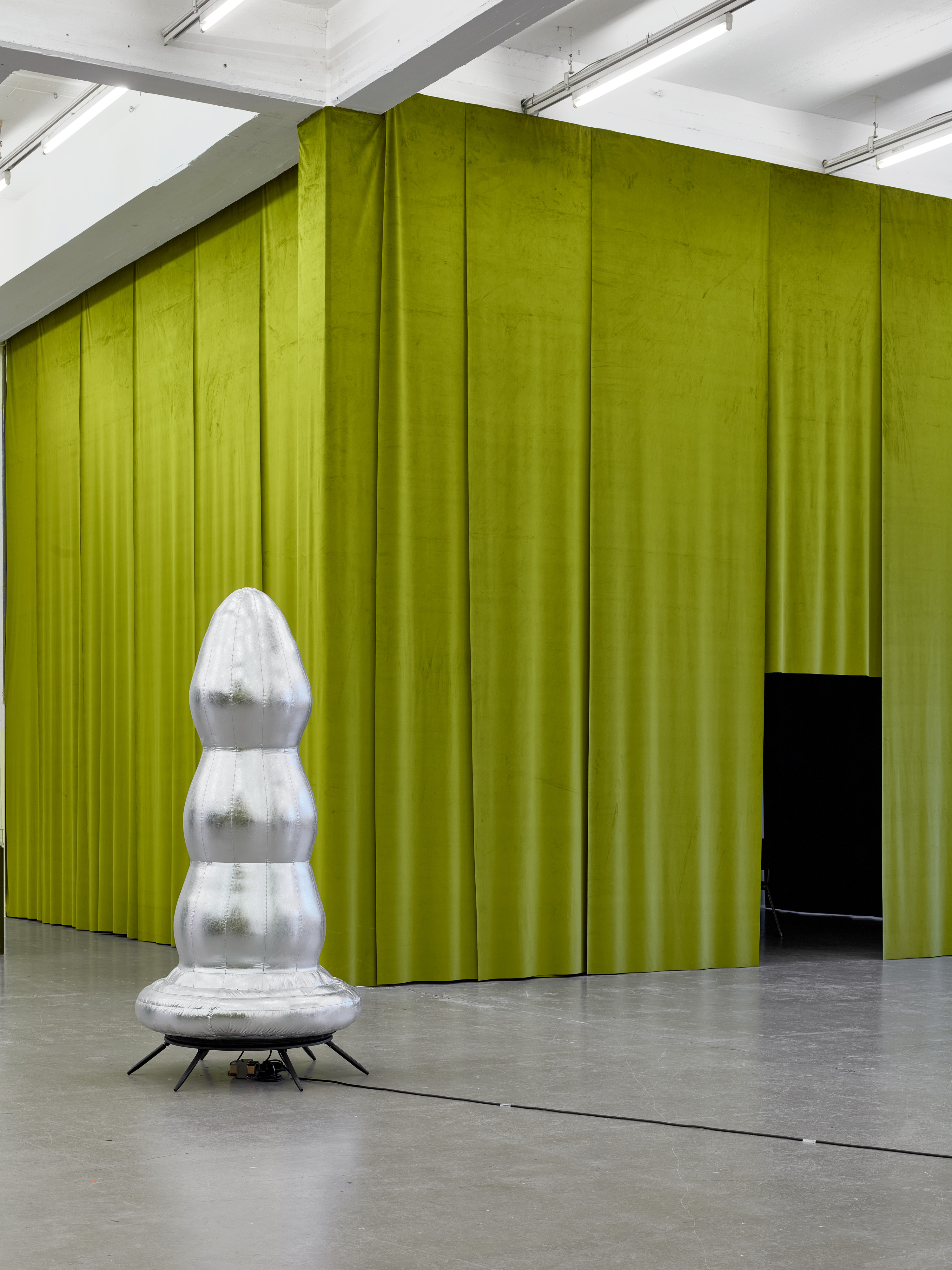
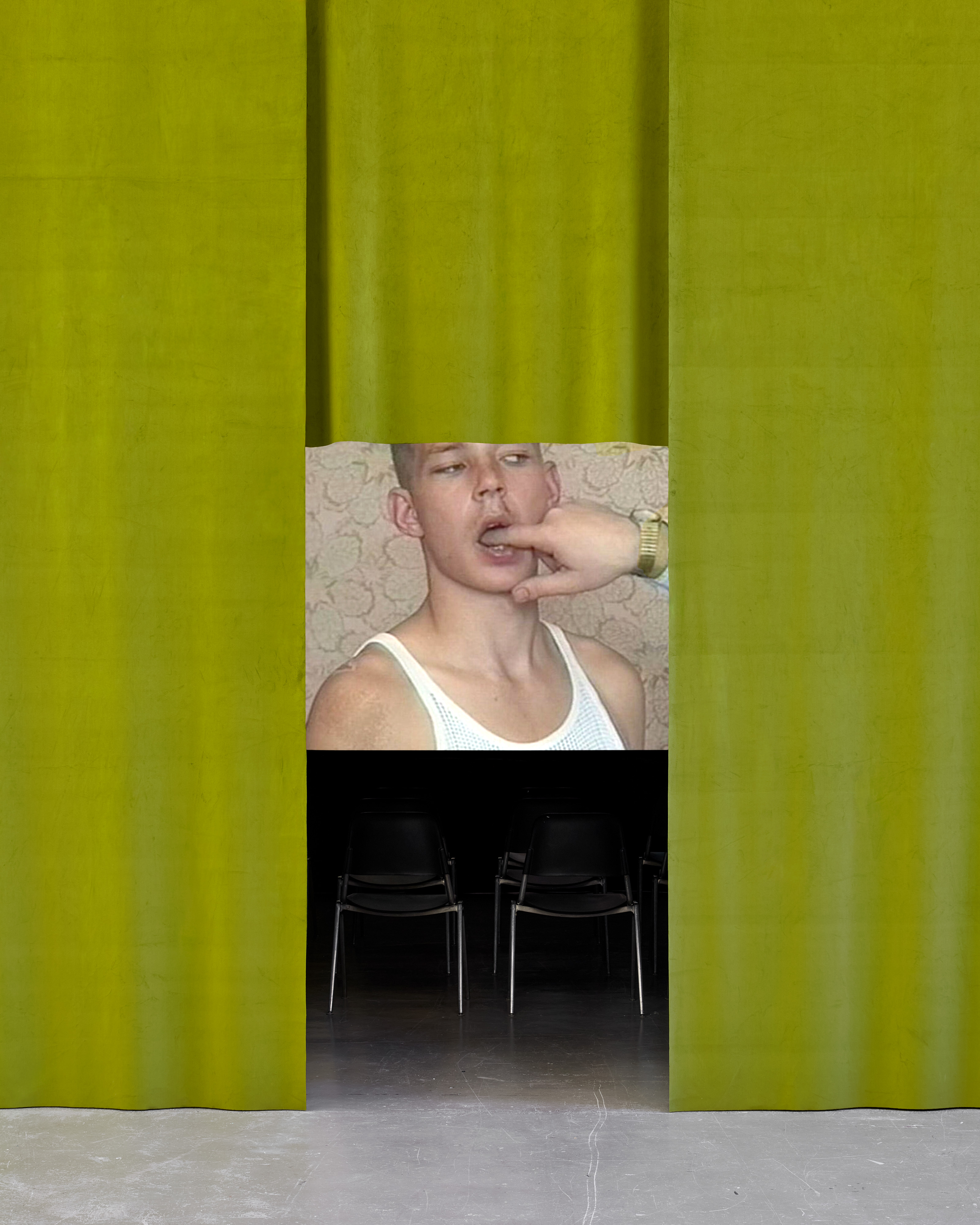
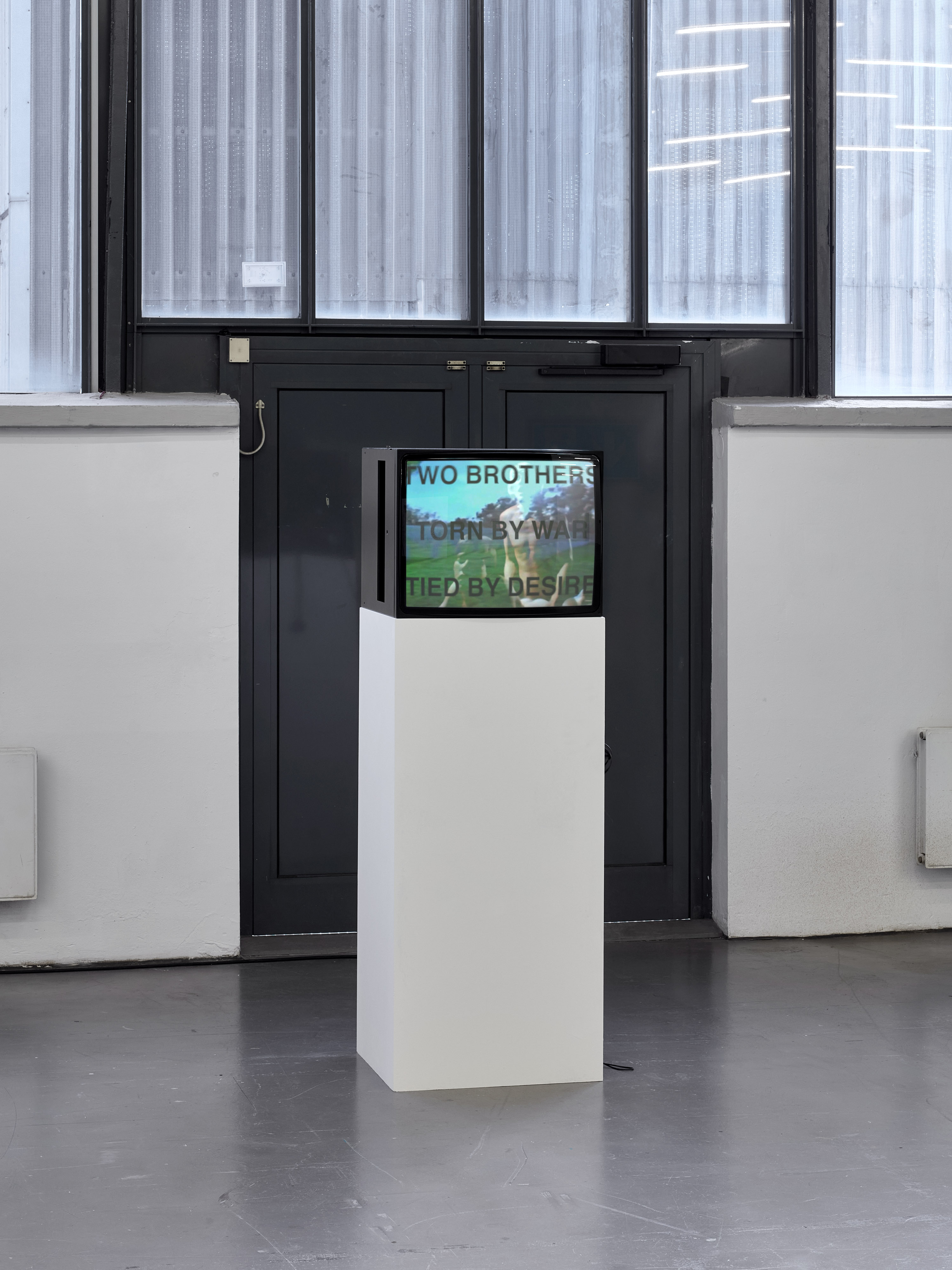
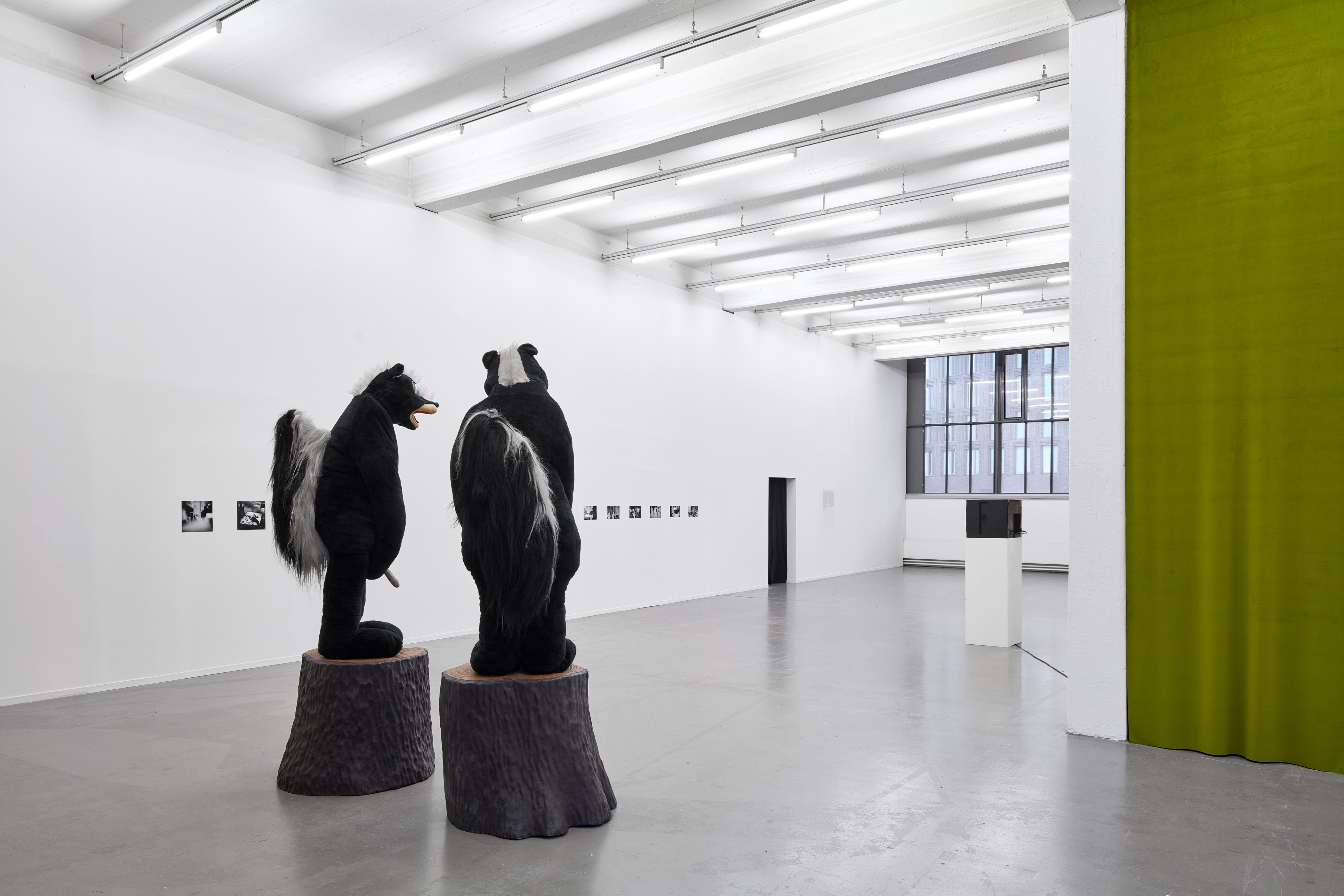
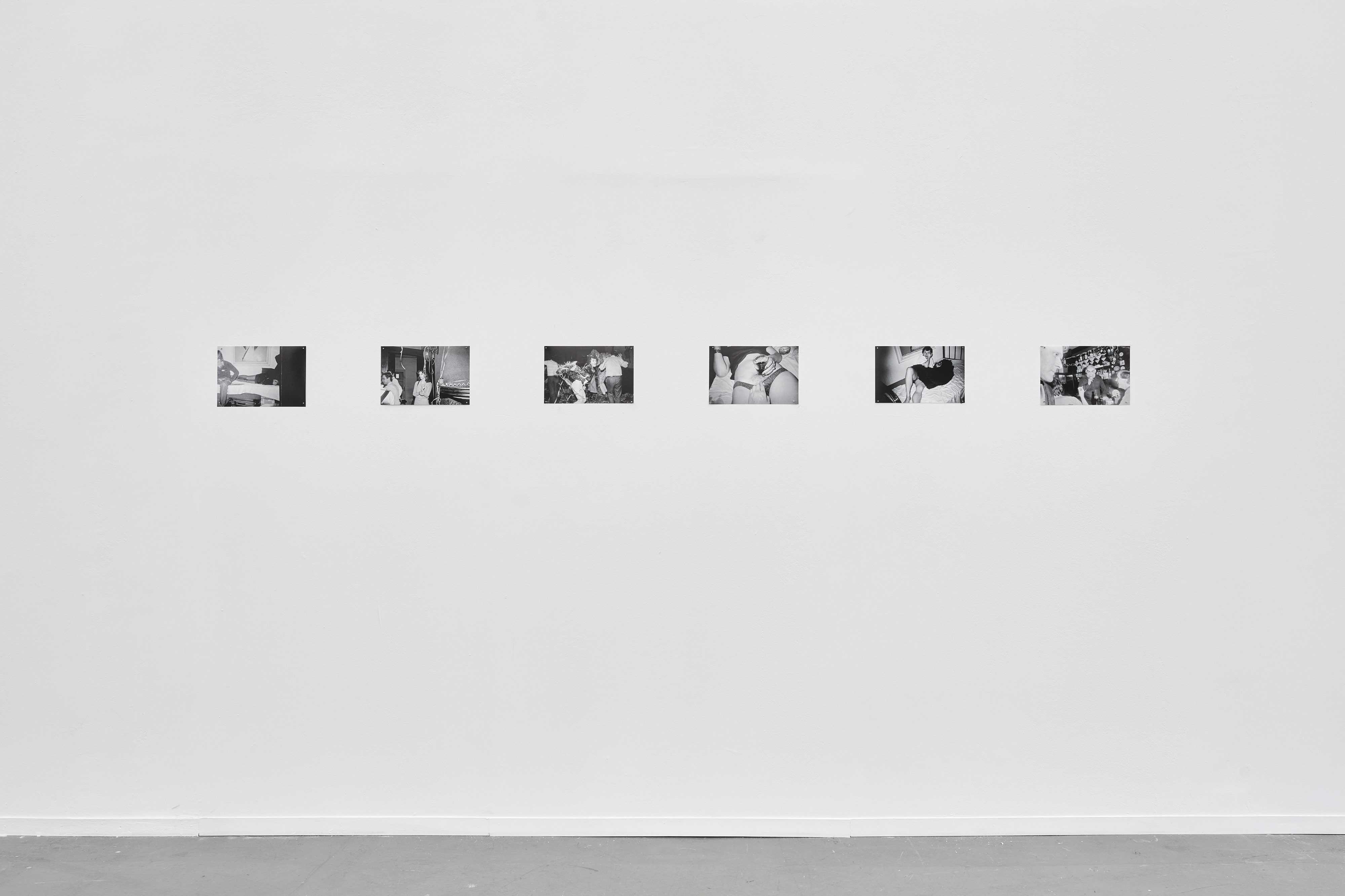
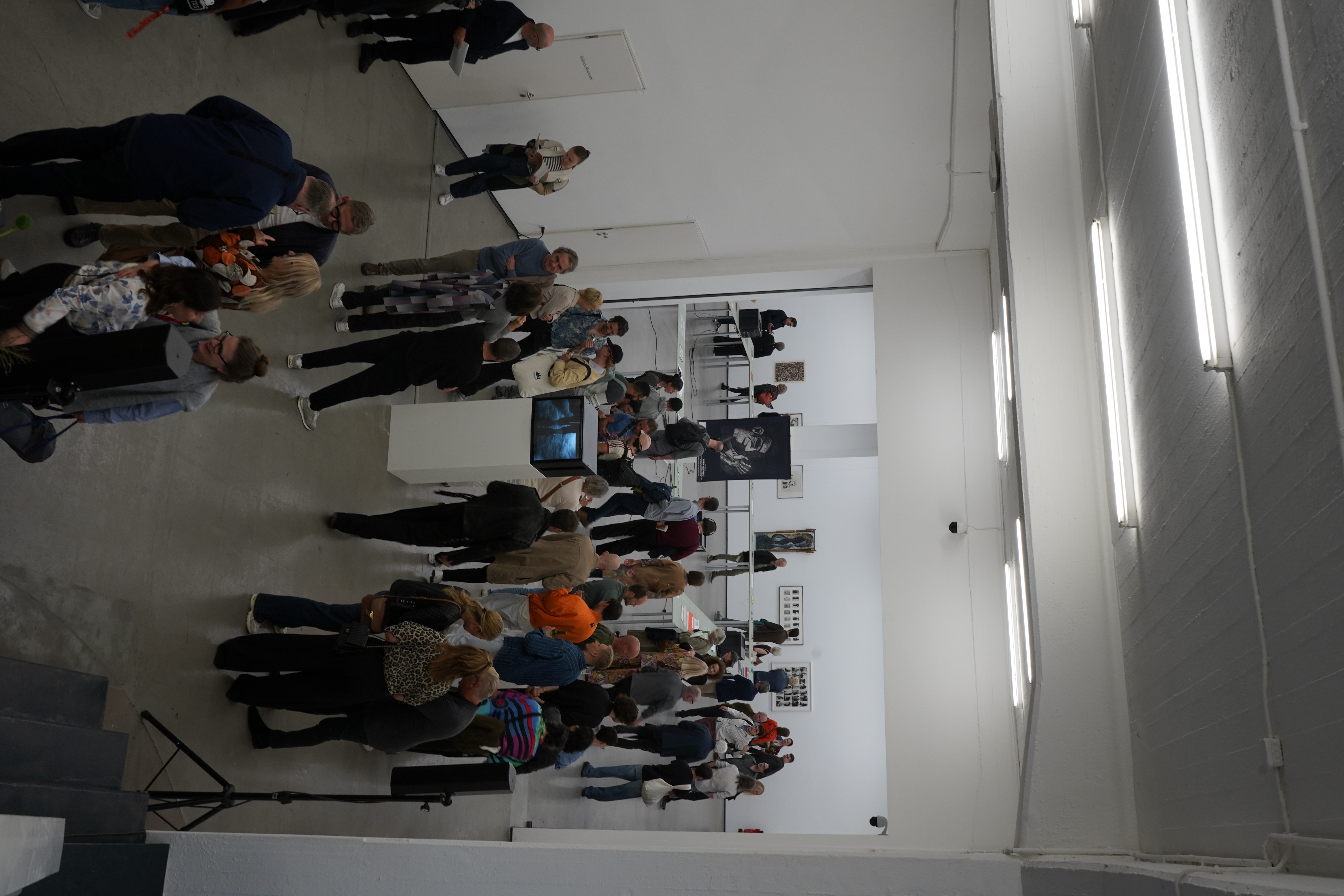
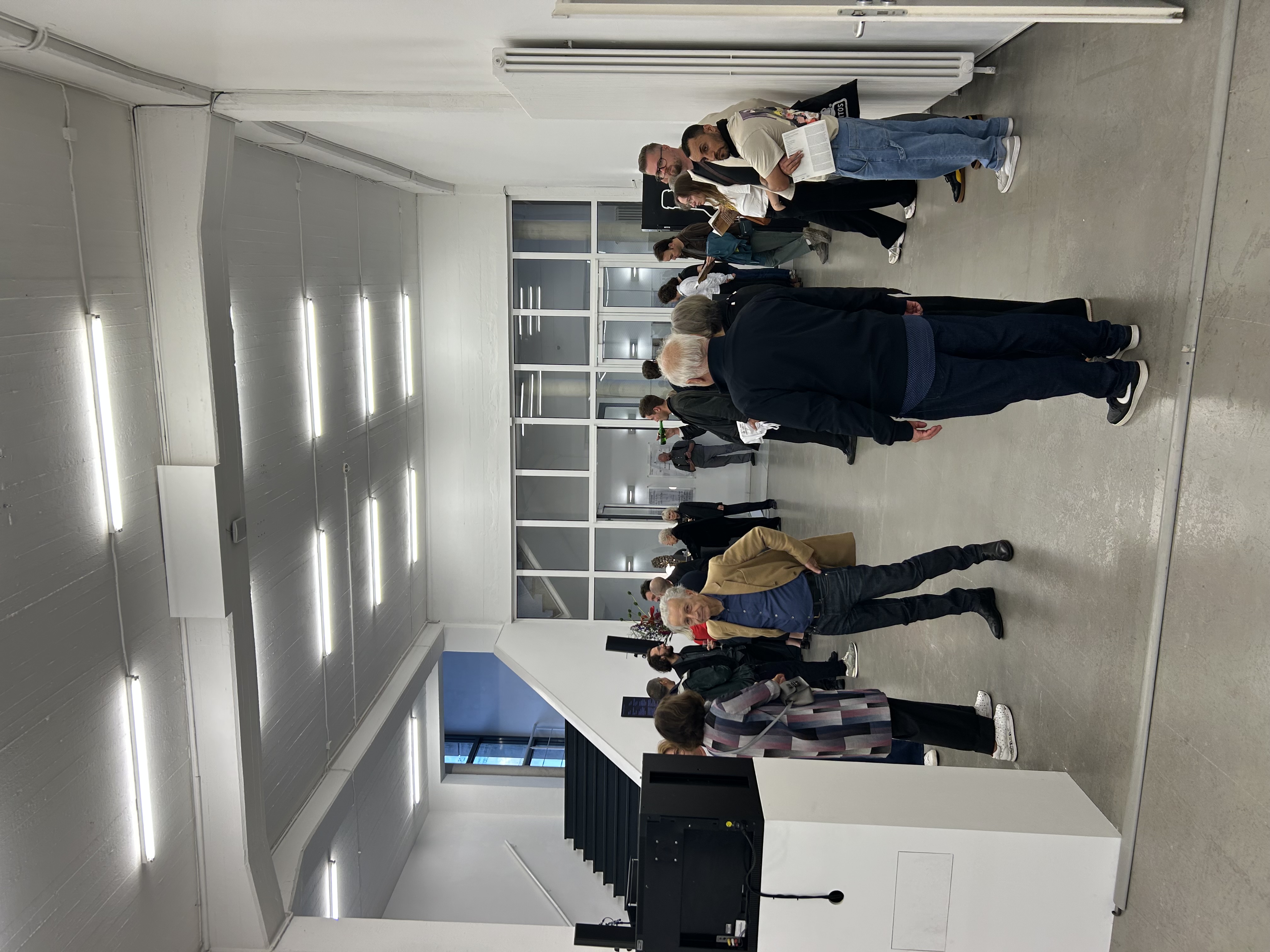
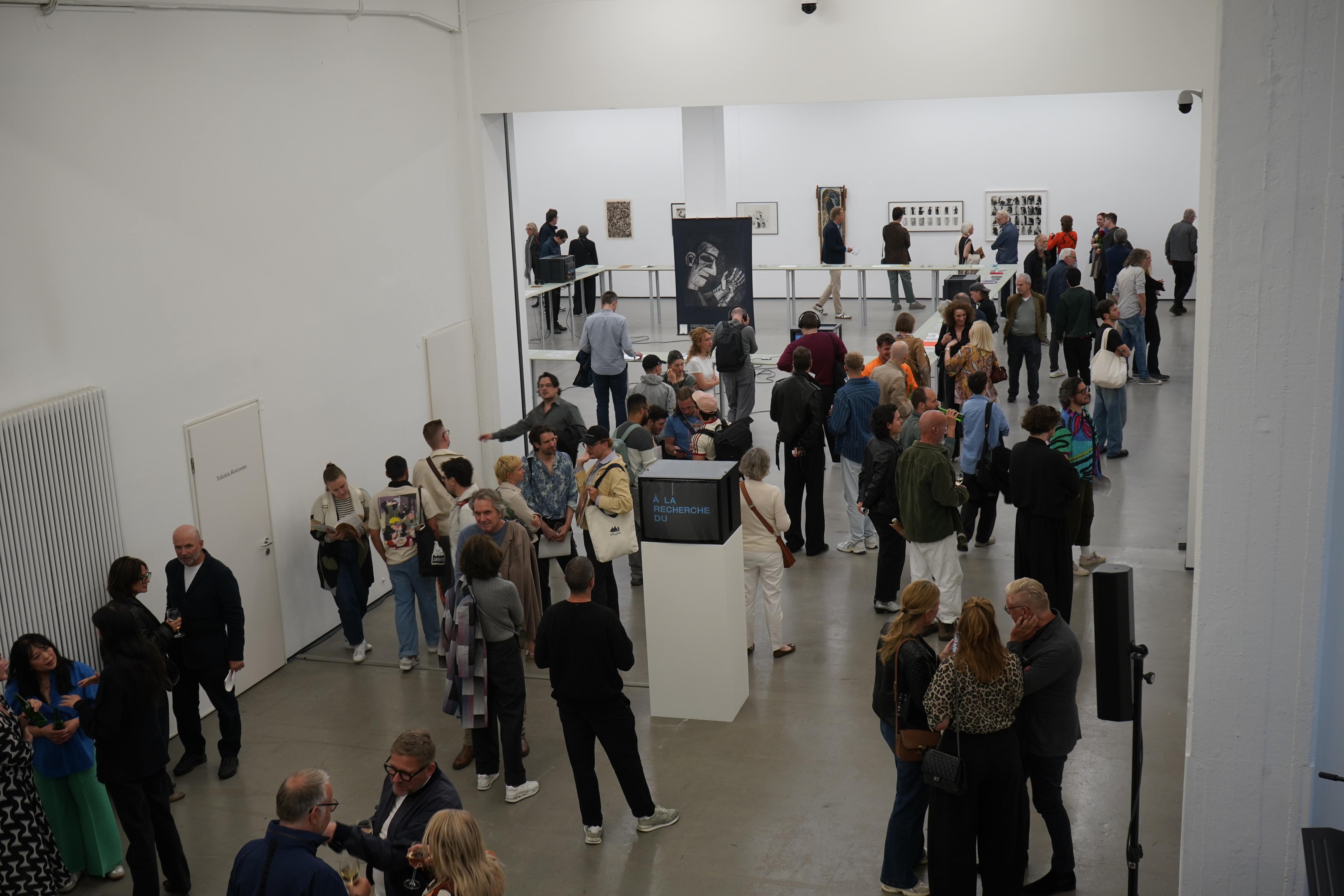
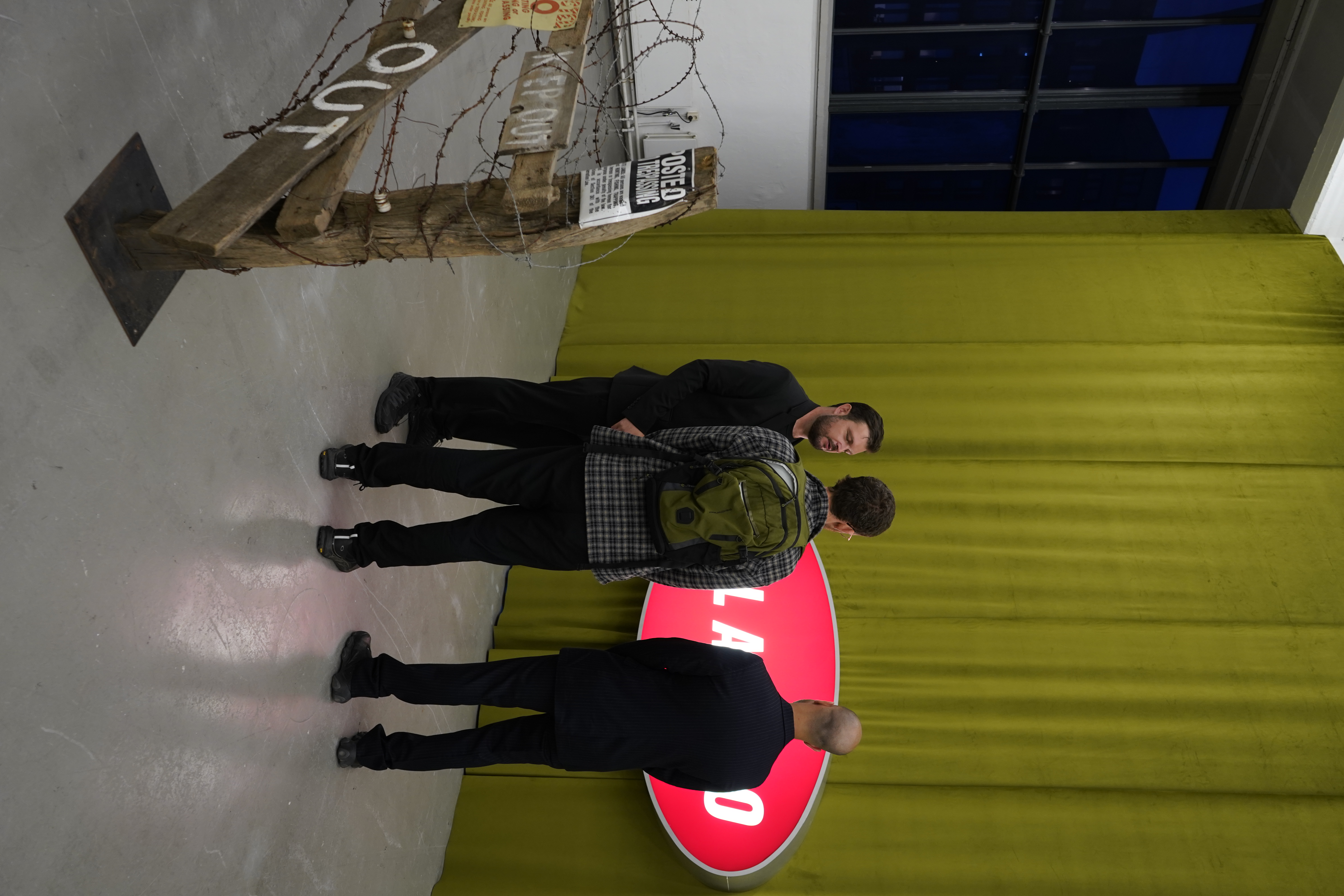
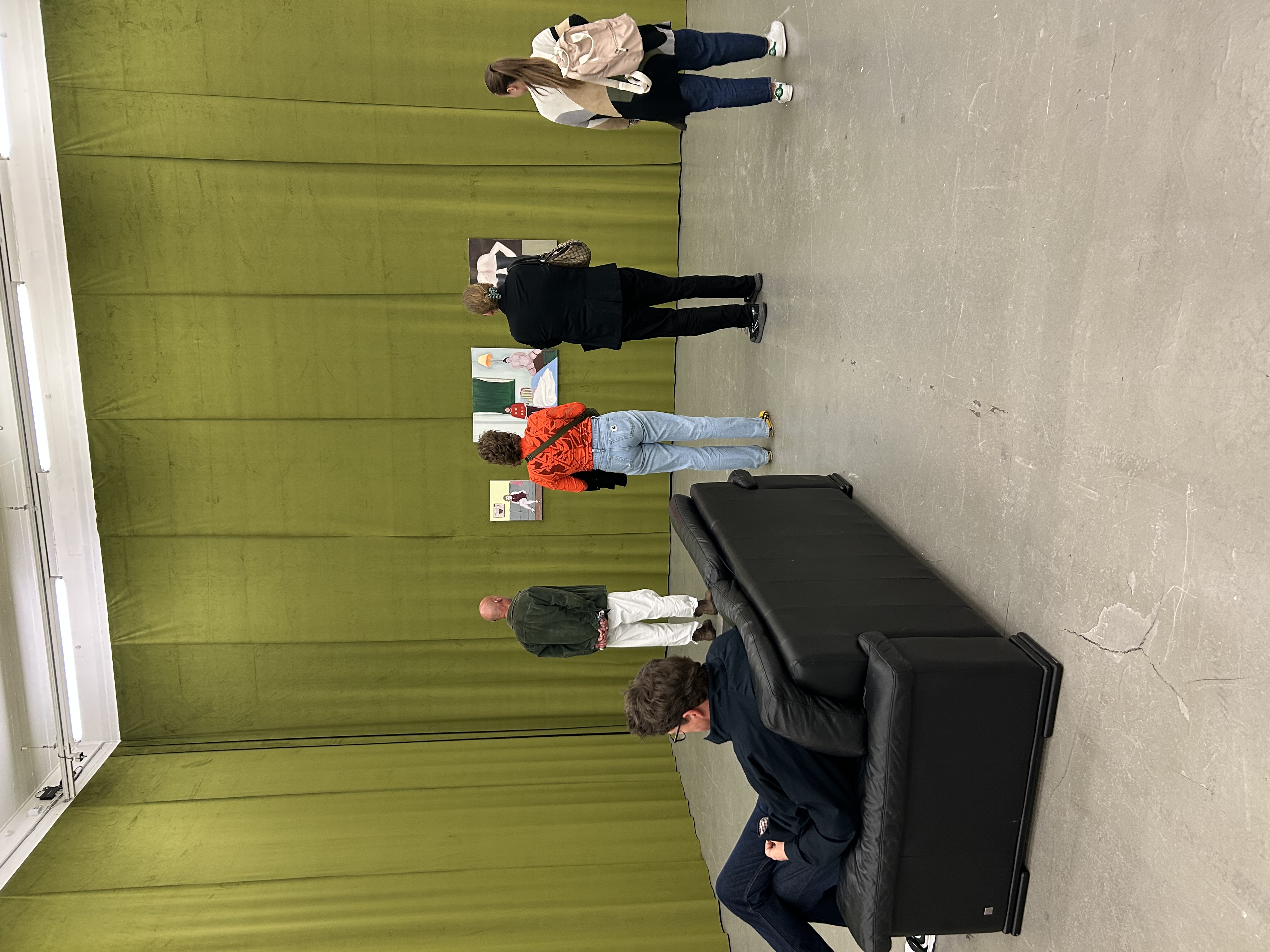
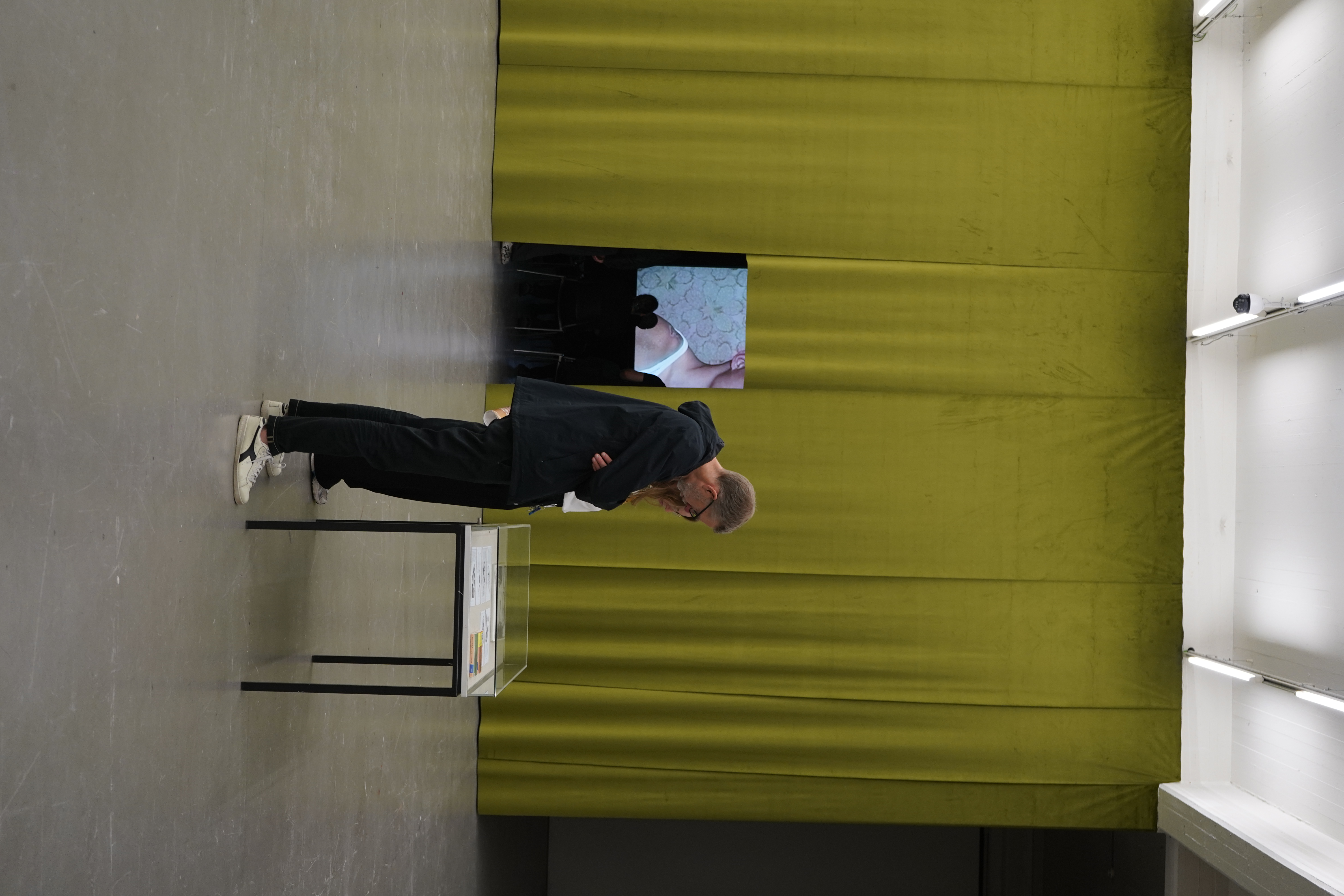
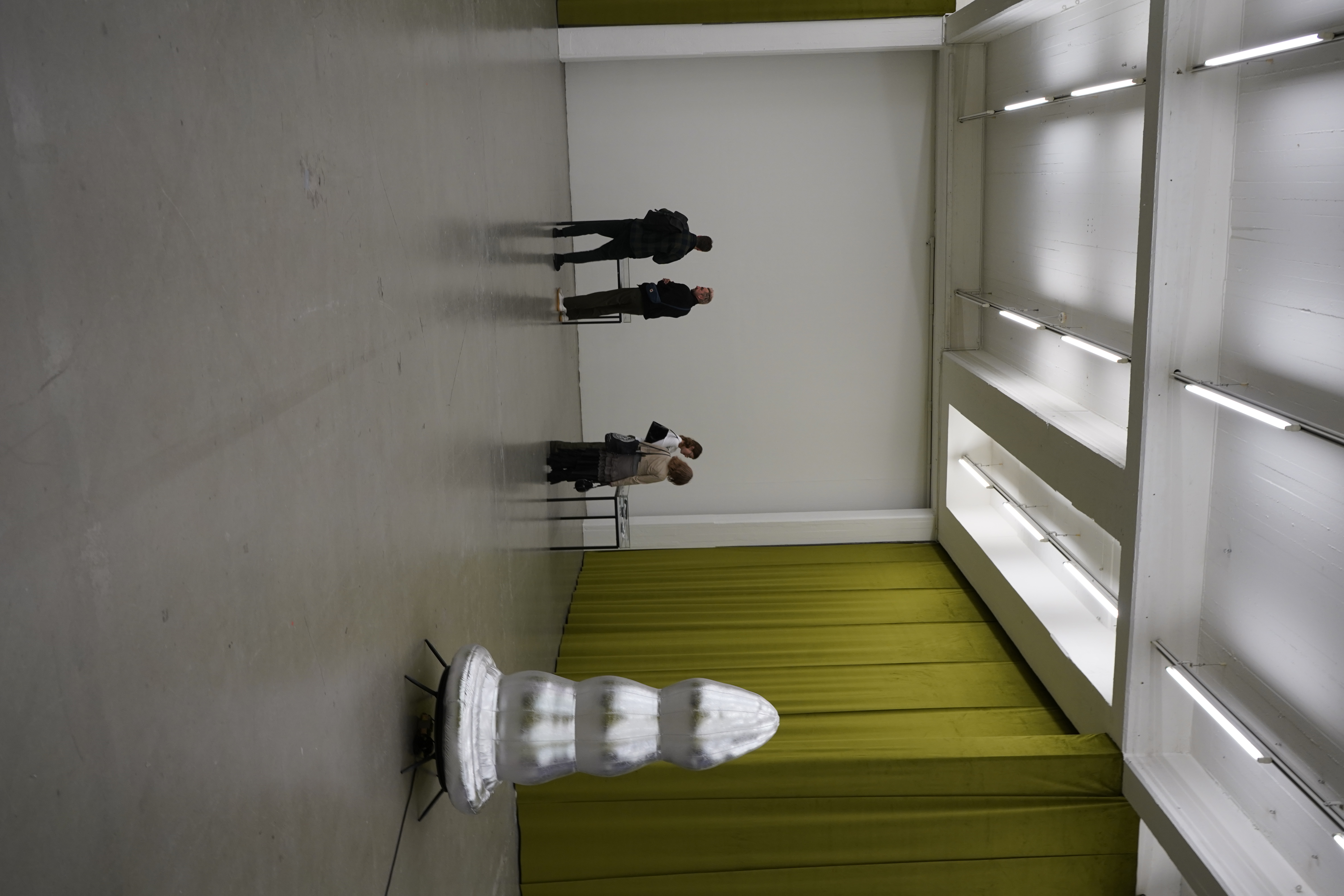
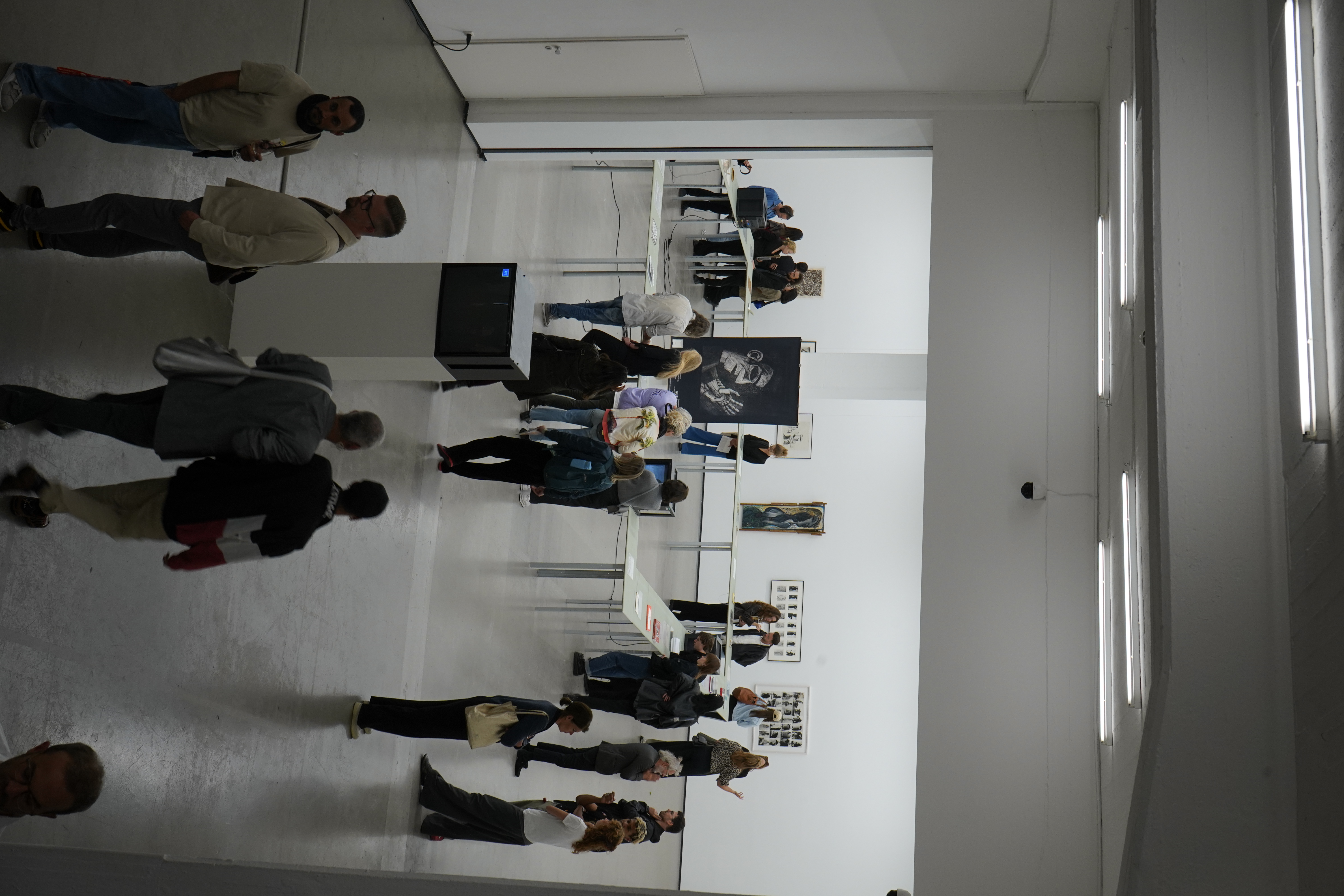
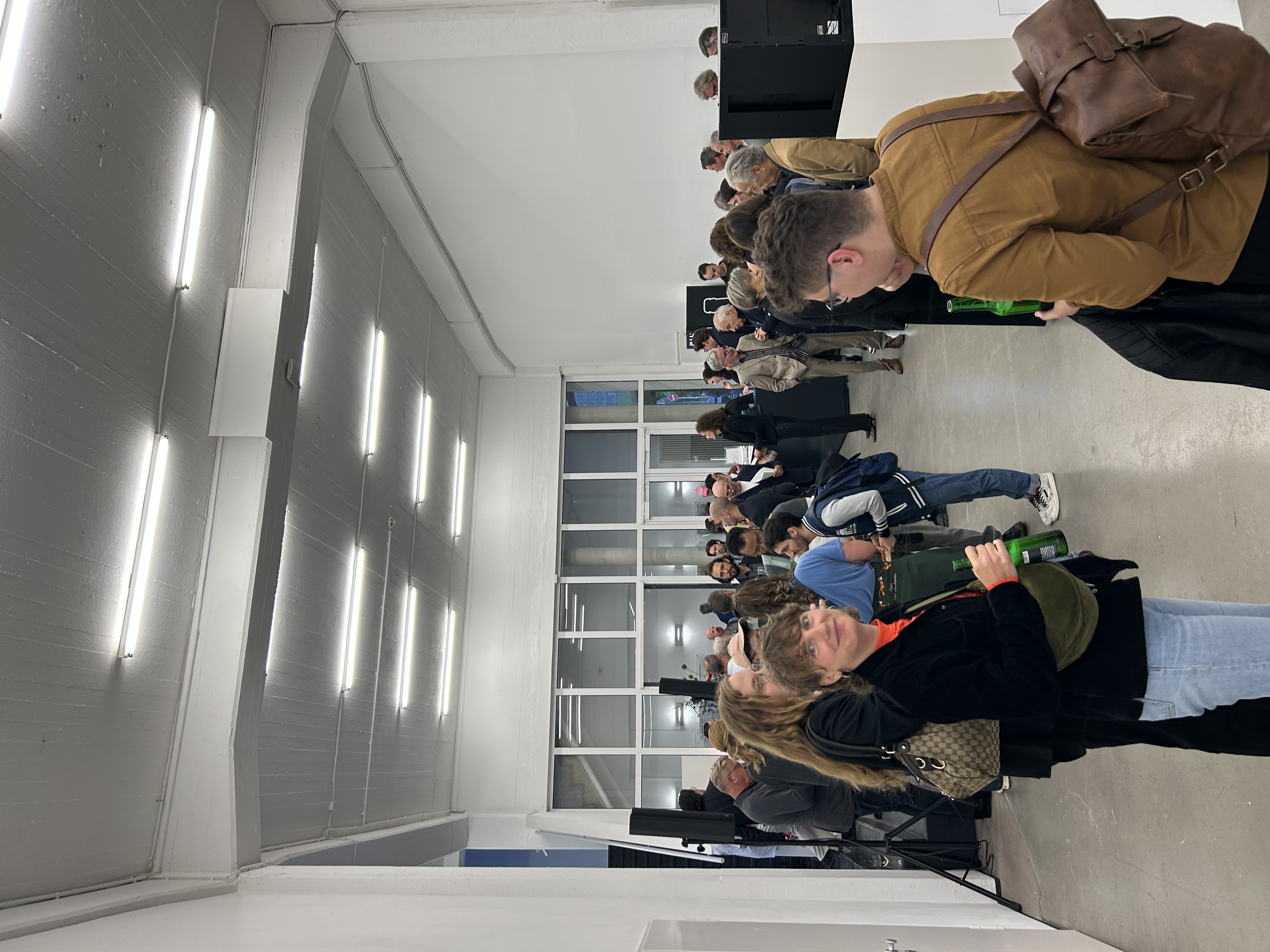
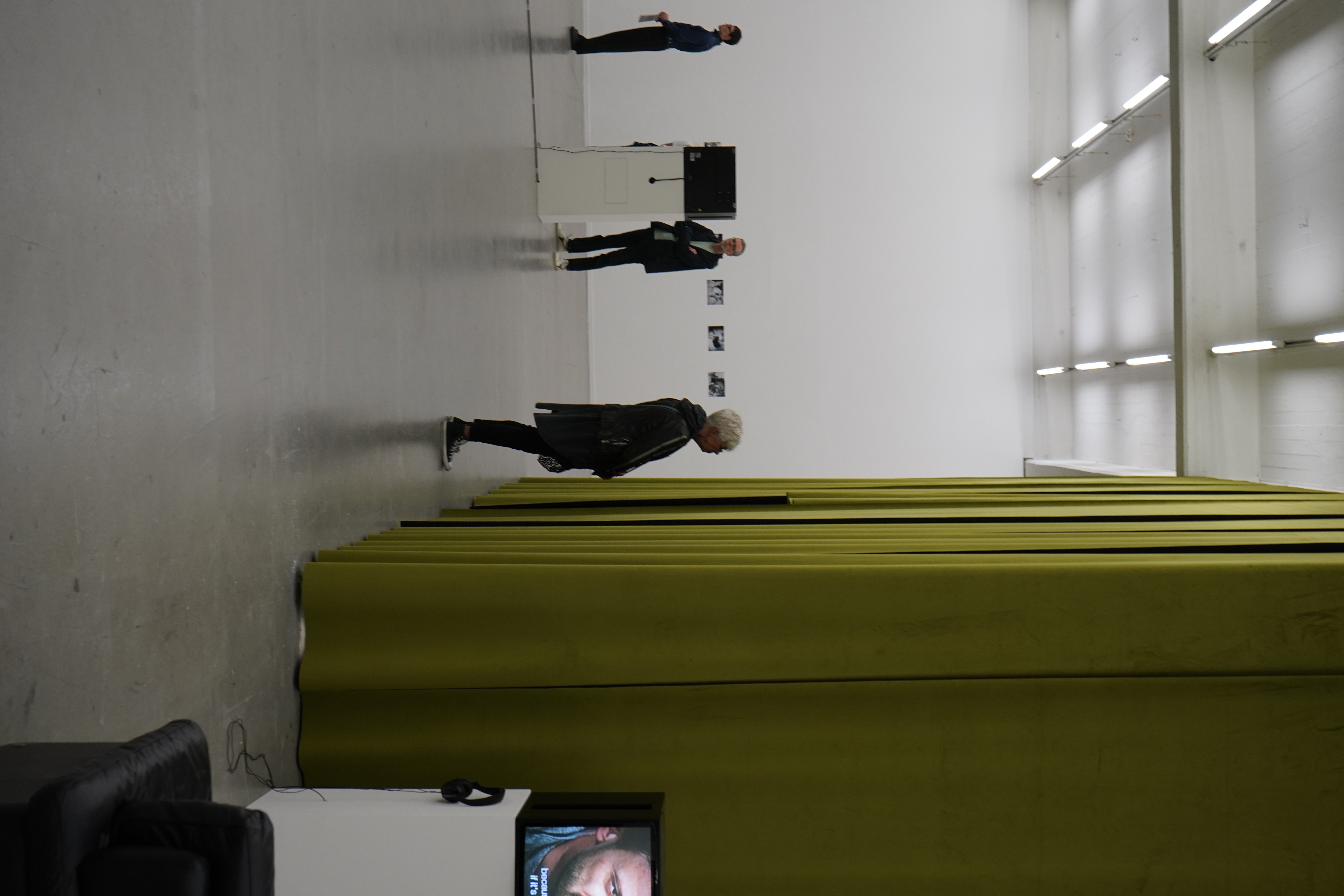
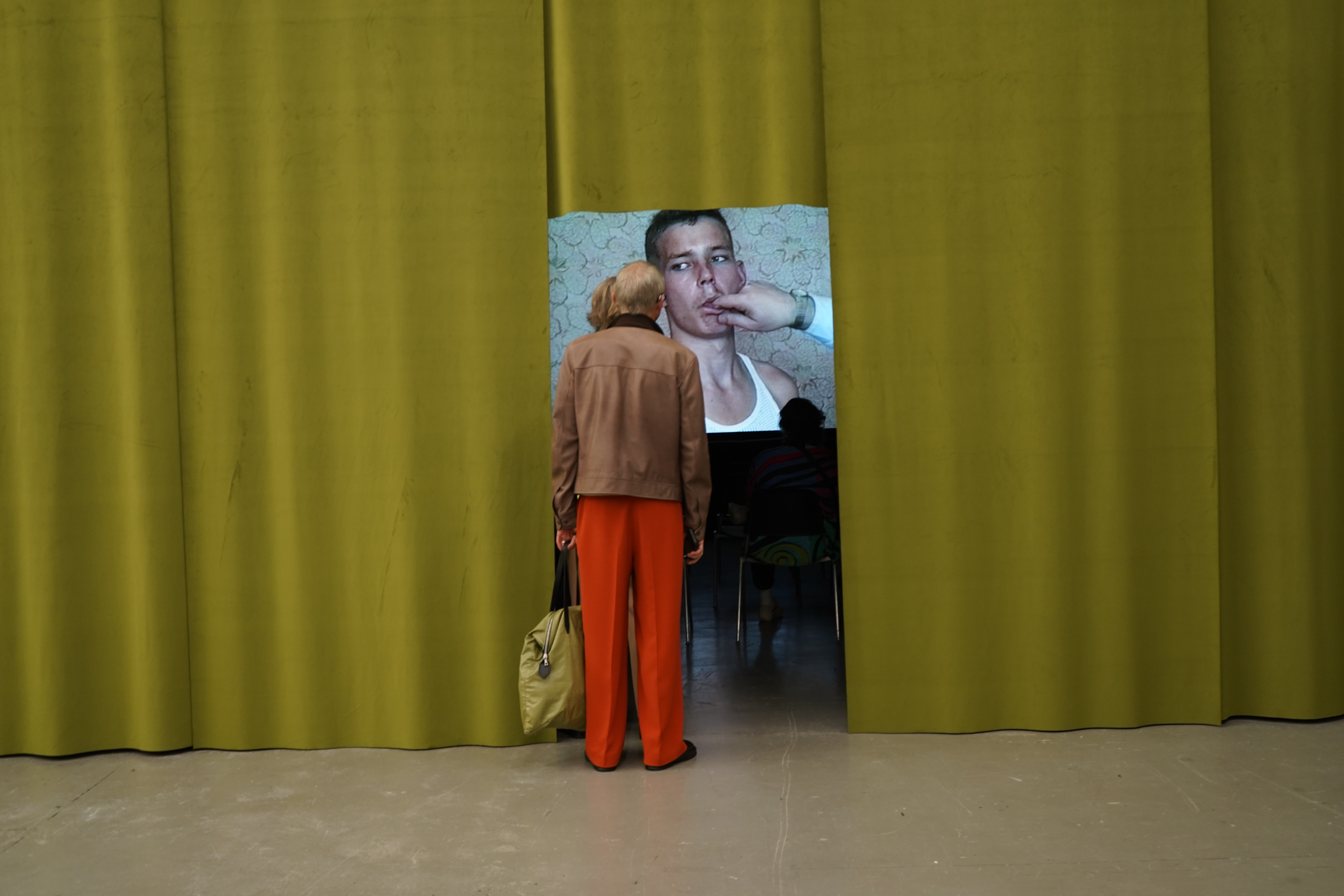
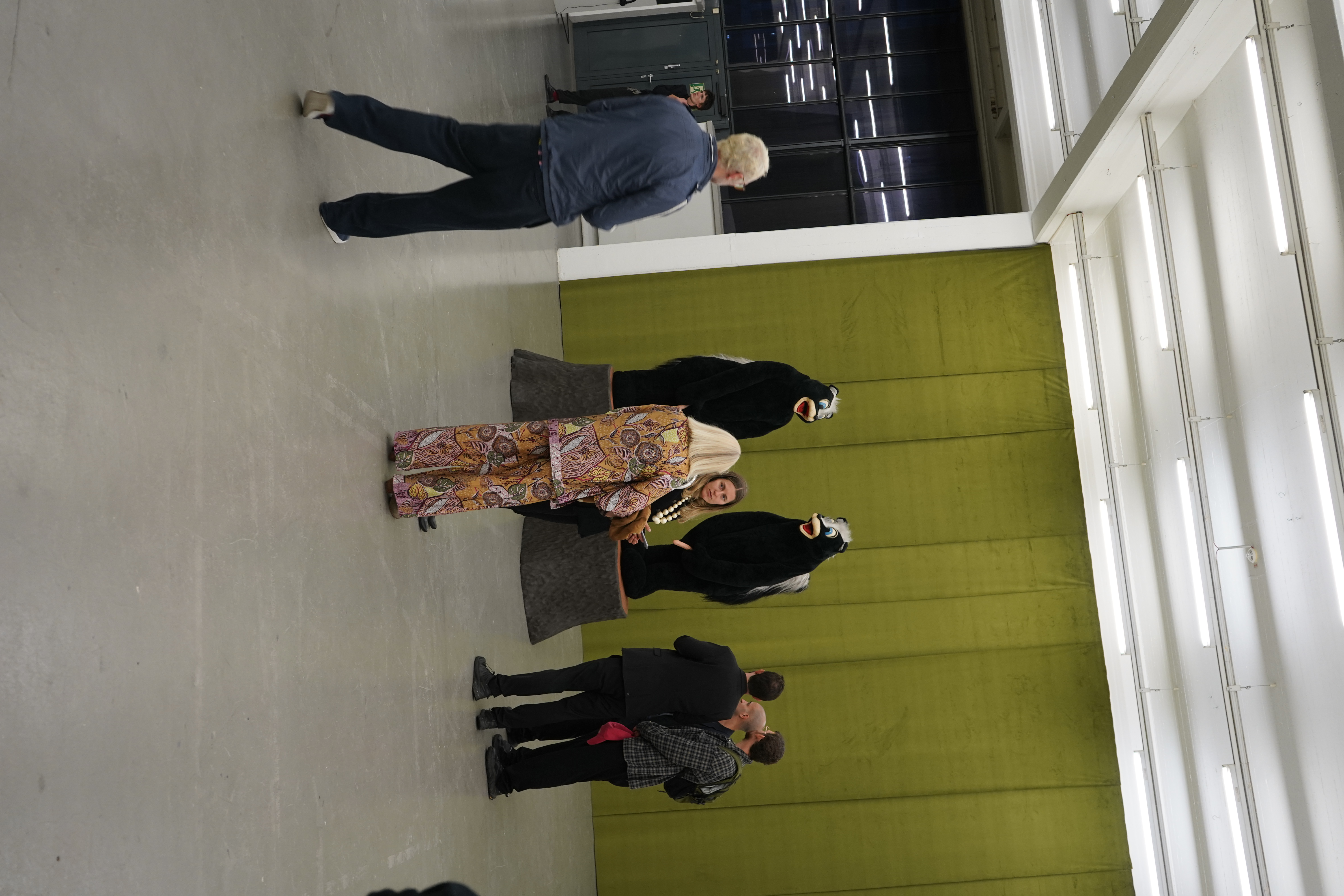
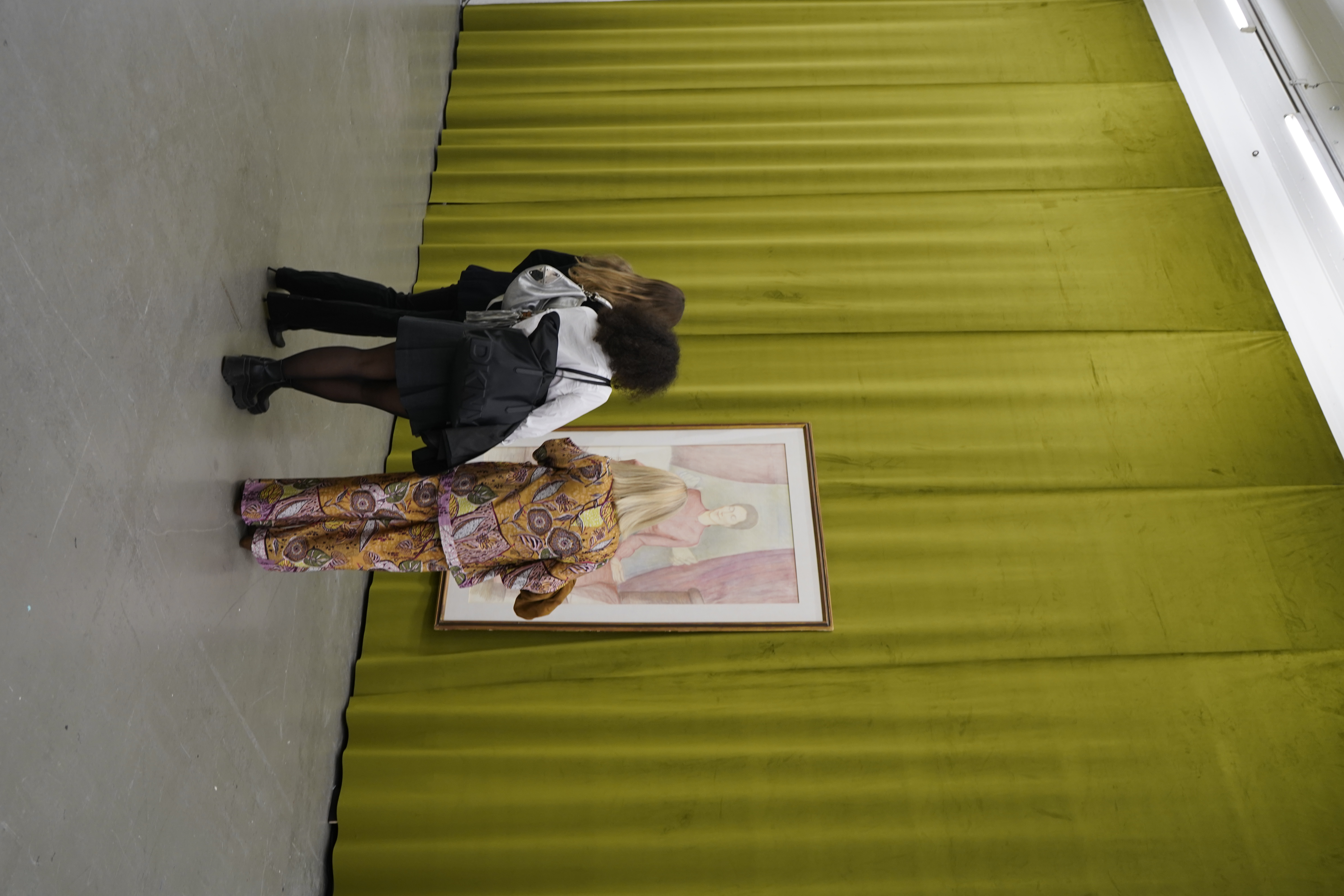
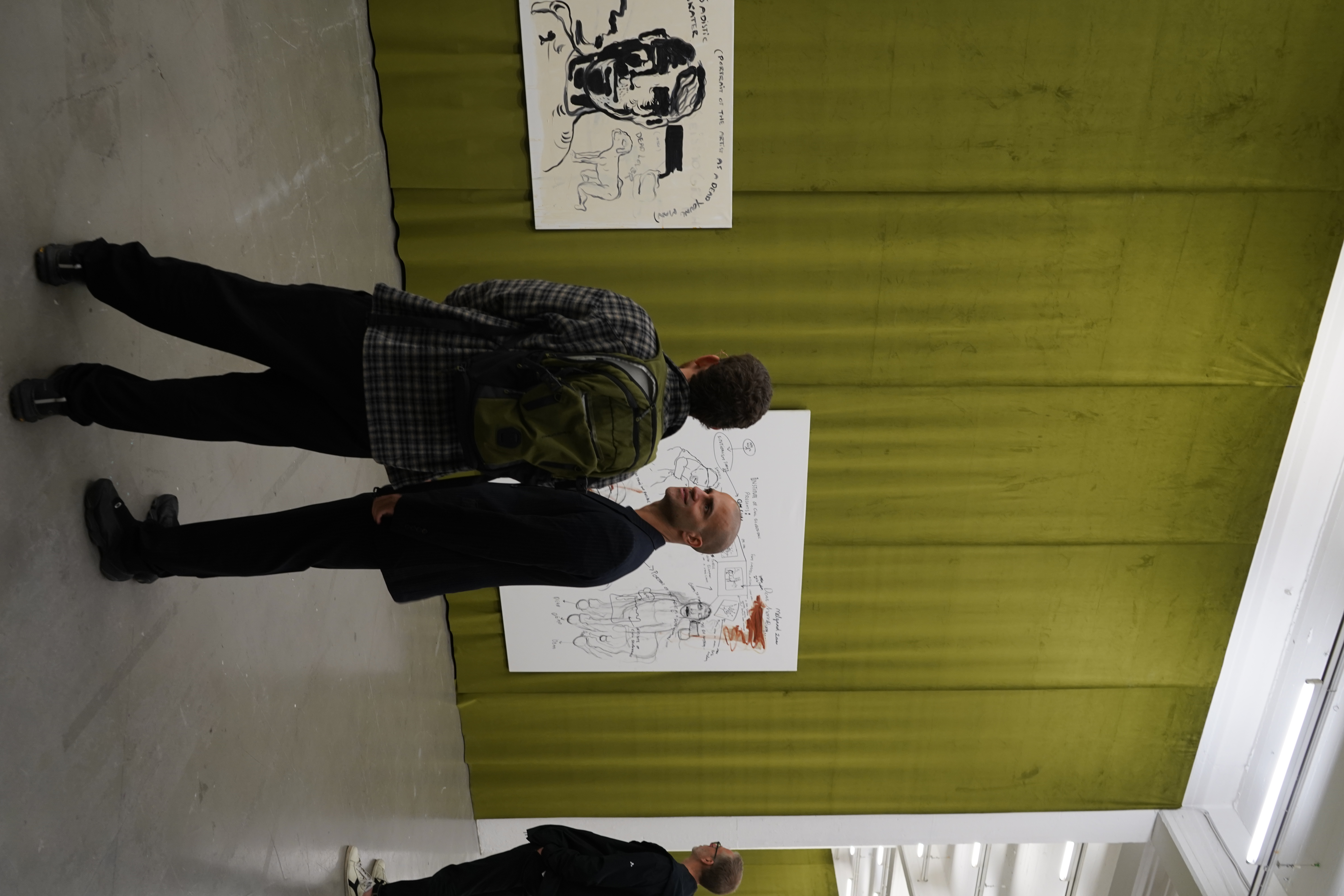
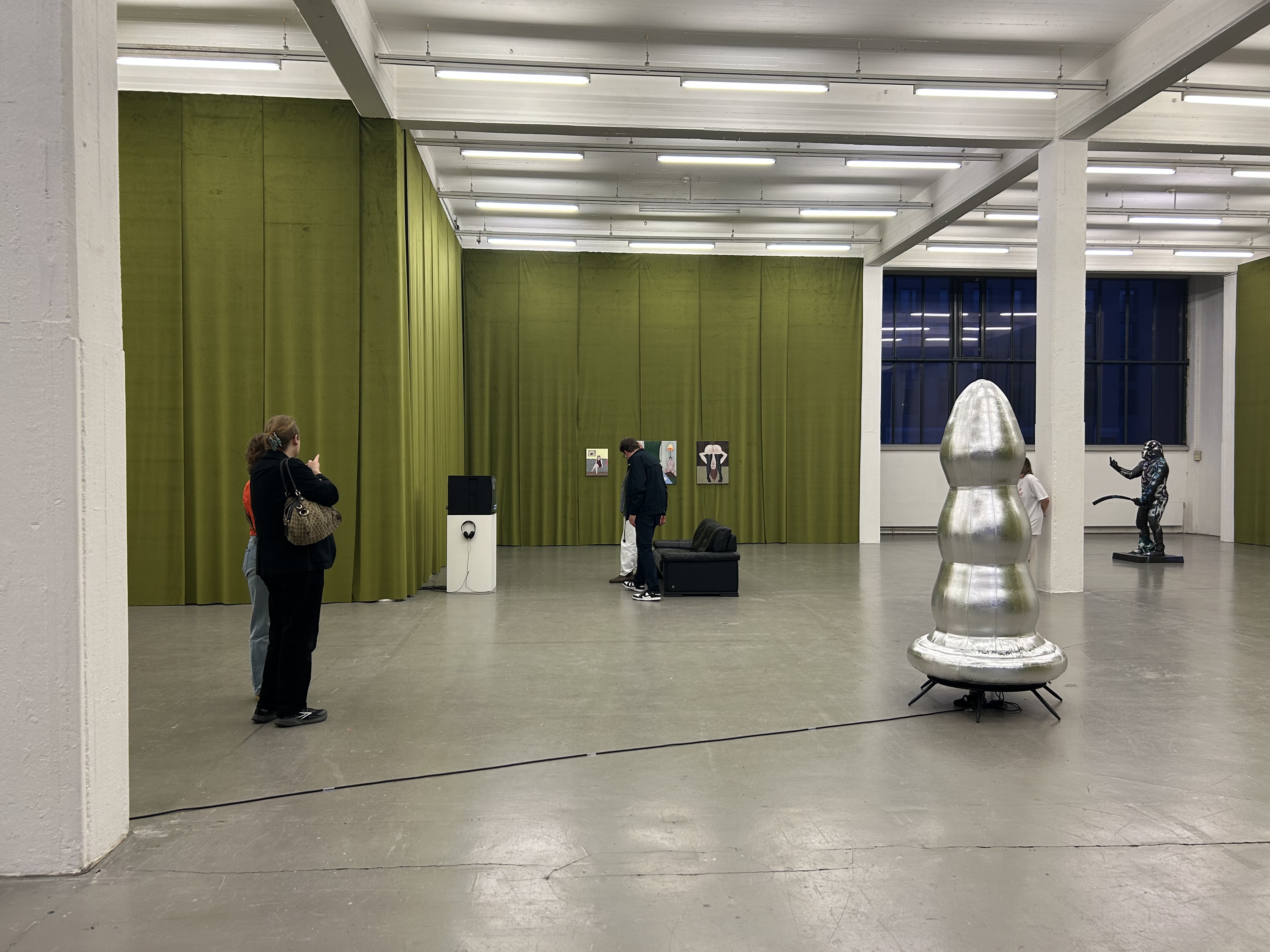
Organised in five curated sections, a cluster of exhibitions at the Kunstverein in Hamburg examines the role of intimacy, gender, and sexuality through visual culture in the context of political regime changes in Europe from the 1980s until today. Dina Akhmadeeva, Erika Balsom, Angela Harutyunyan, Elisa R. Linn, and Pierre-Alexandre Mateos and Charles Teyssou bring together artworks and materials that engage the time surrounding the Fall of the Berlin Wall and the end of socialism in Europe.
In a moment characterised by a power vacuum and changing hegemonies, but also a triumphalist optimism in the West, the exhibition aims to negotiate both liberties and new struggles informed by gender and sexuality at the turn of the millennium.
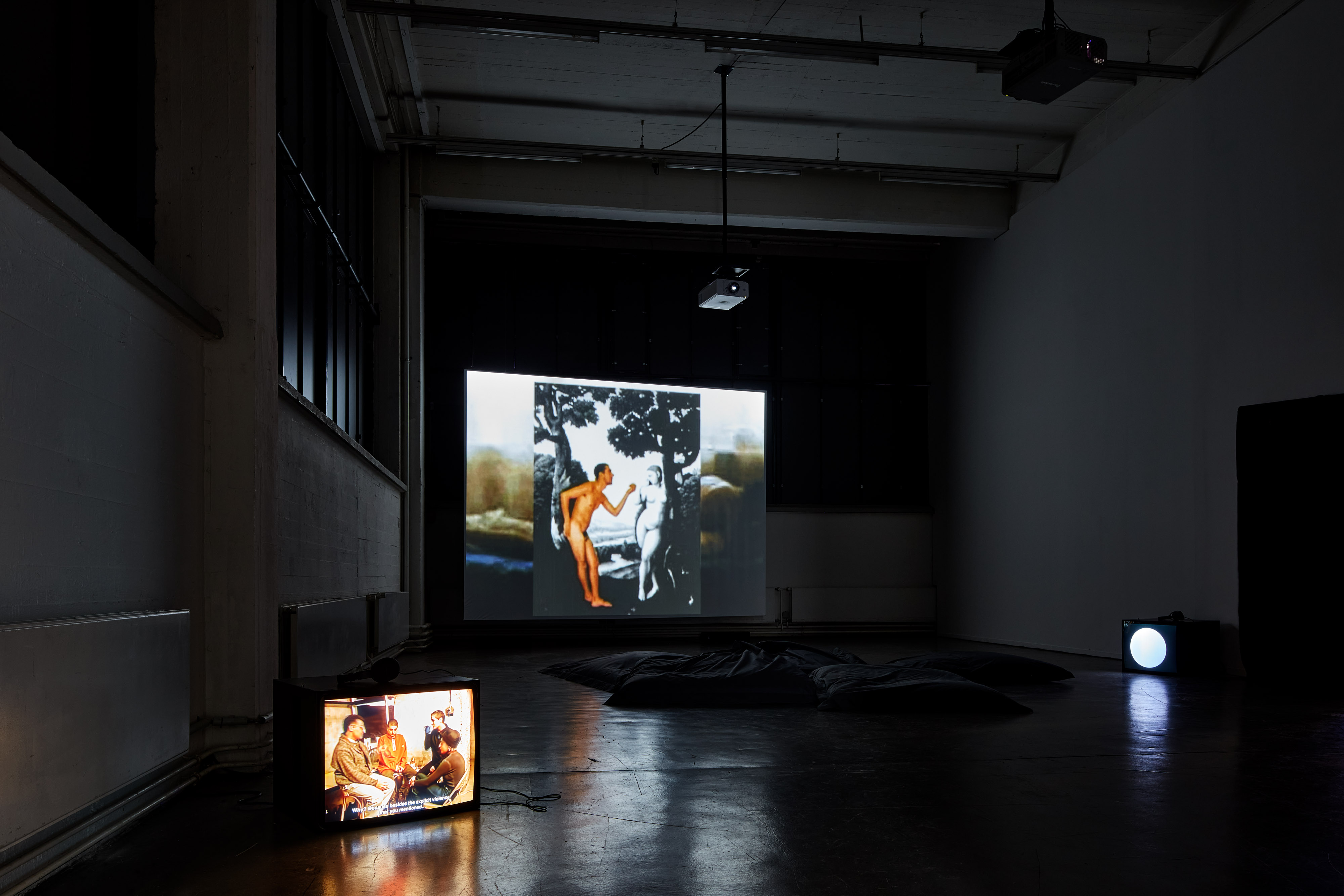
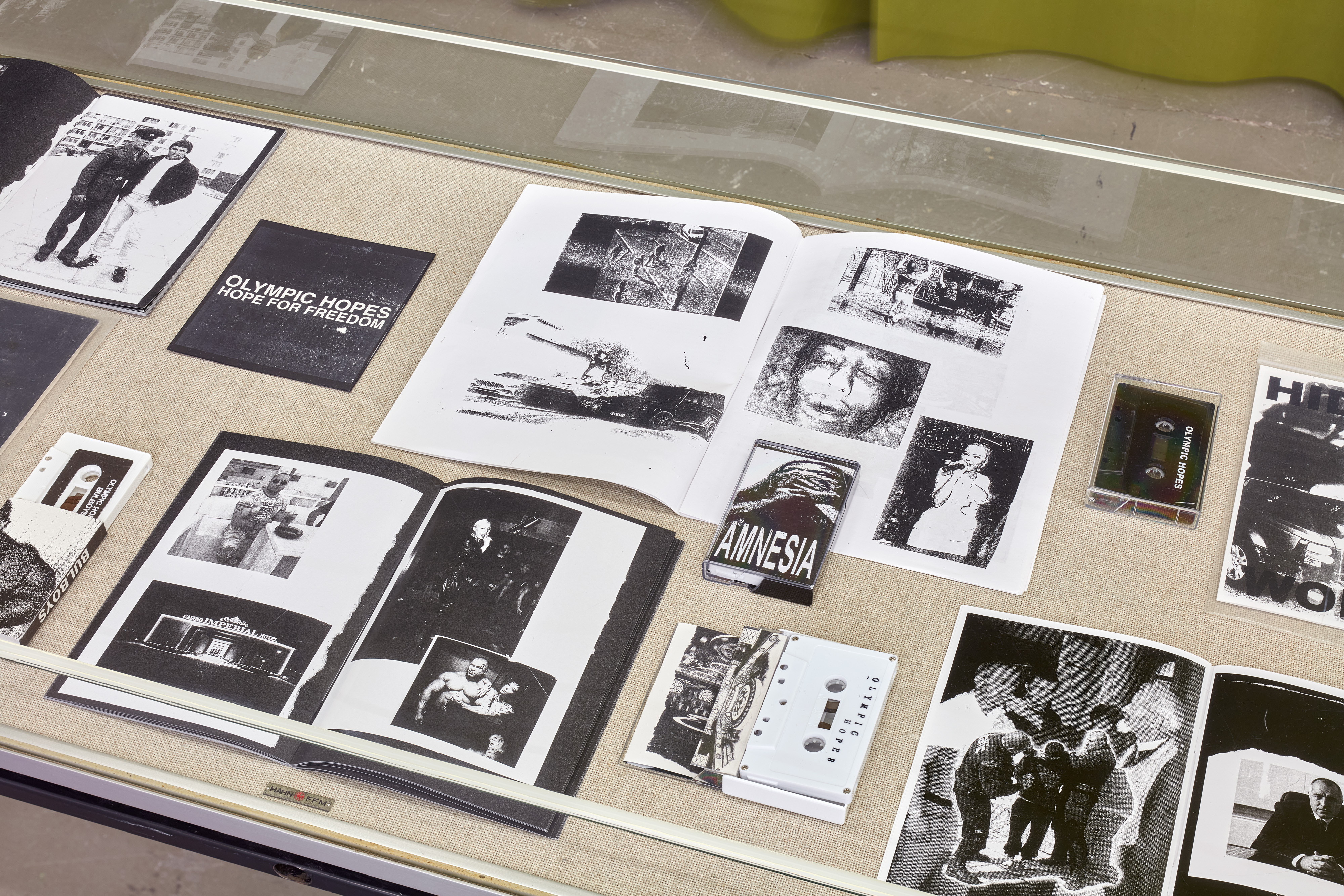
The title of the exhibition brings together Jean-Luc Godard’s film Origins of the 21st Century (2000) and William E. Jones’ The Fall of Communism as Seen in Gay Pornography (1998), which each reflect and anticipate developments in visual culture by collaging violent and erotic filmic material. Ushering in a new era of the “hardcore”, fiction and reality blur within the simulacrum at the turn of the millennium, a time when uncensored and unfiltered images increasingly begin to enable new political spaces. Here, the exhibition seeks the origins of this visual culture in video and television media, locating them as the dominant tools of cultural transformation, public discourse, and biopolitics in a then-accelerating postmodernity.
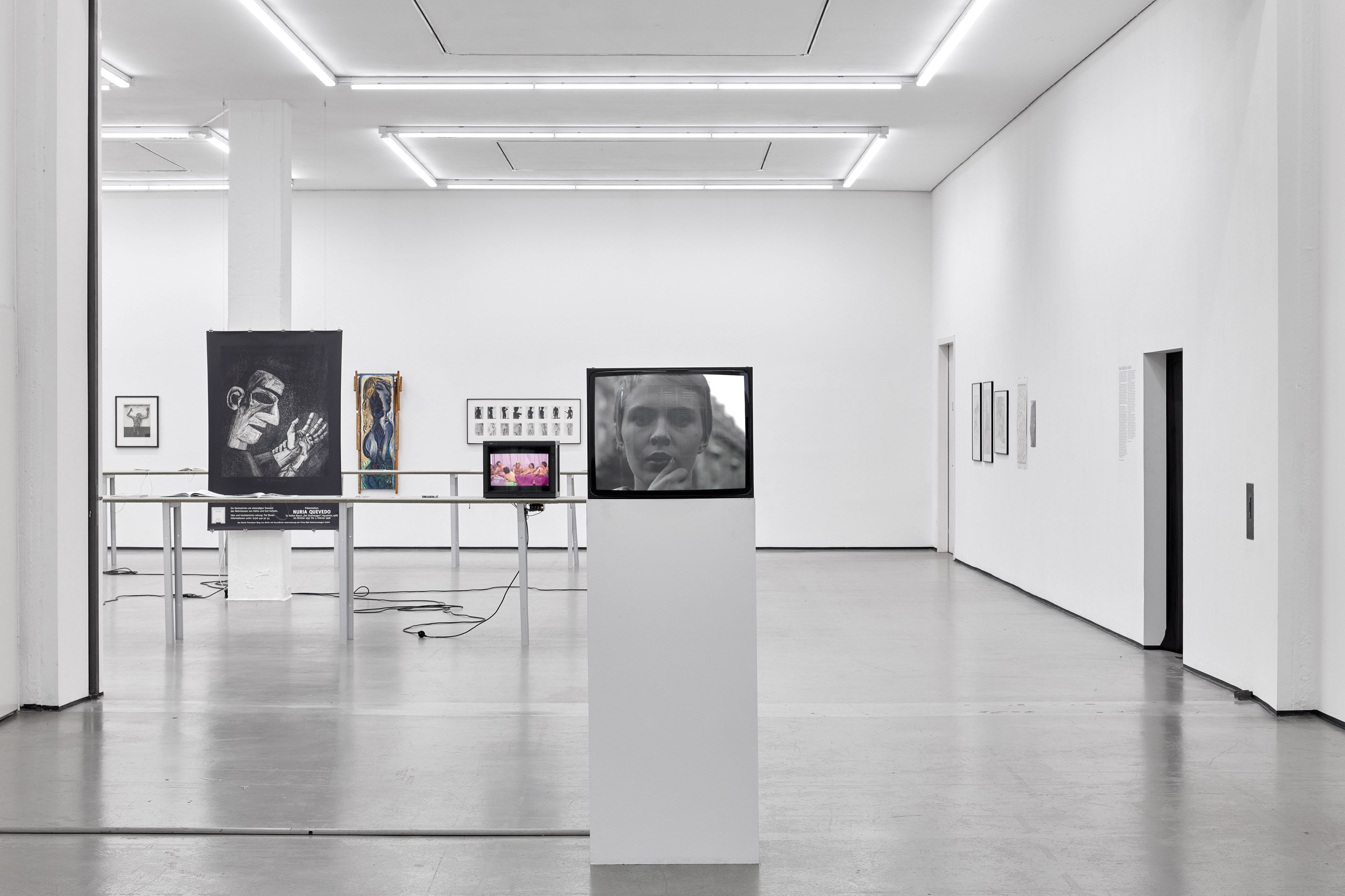
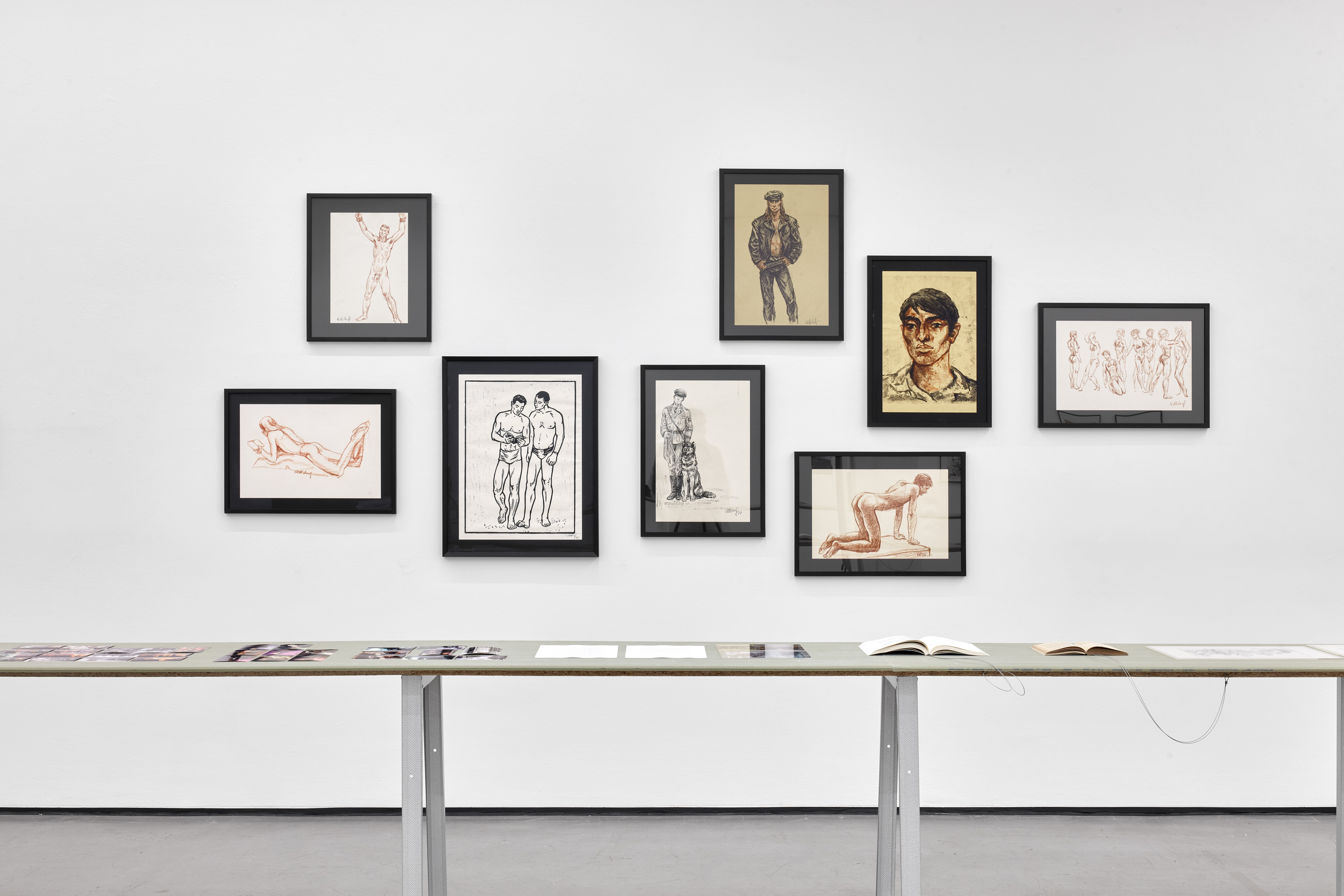
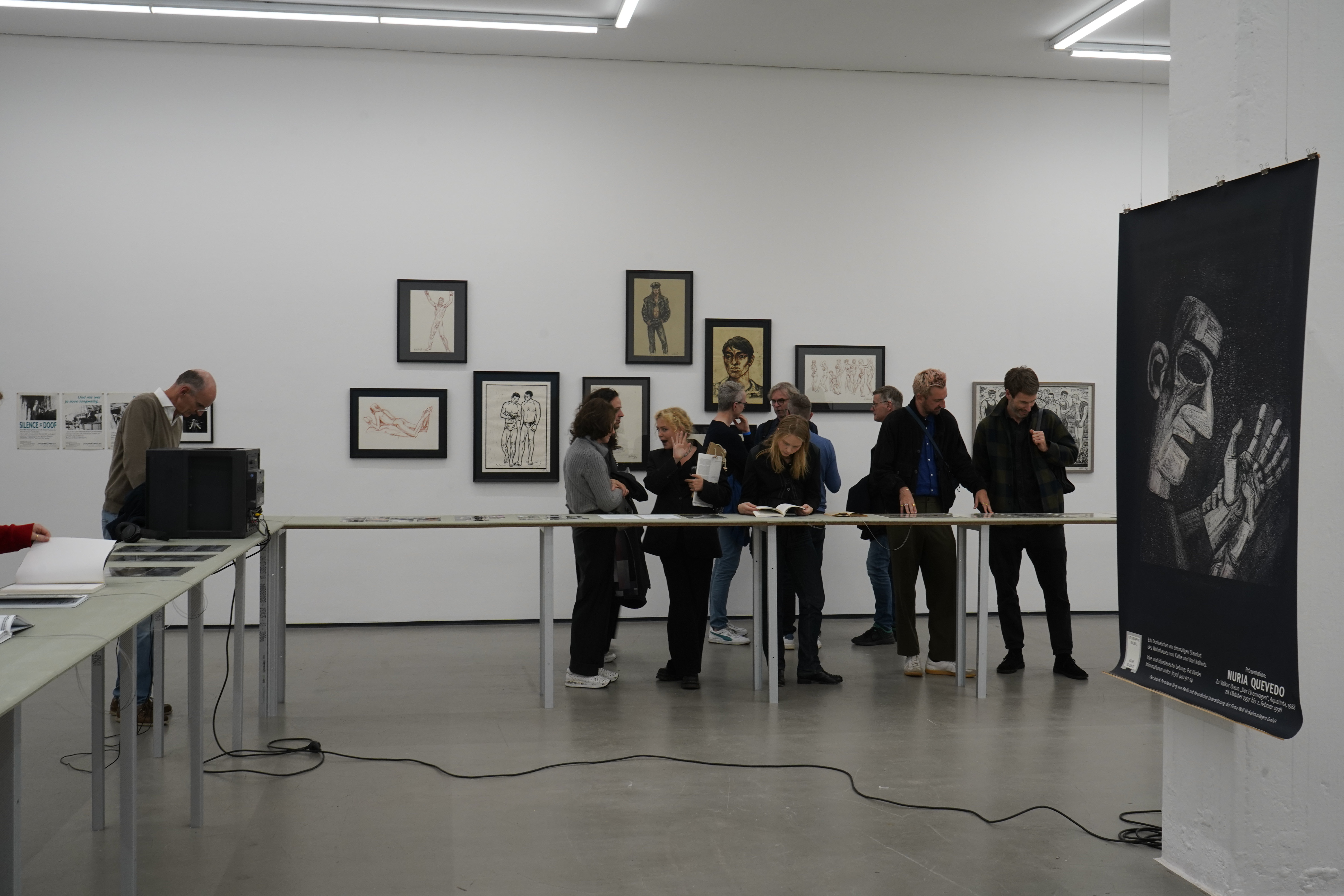
In Border Thinking and Striking the Border: Migratory Aesthetics and Counter-Public Spheres in the GDR Elisa R. Linn examines how boundaries—physical, ideological, bodily—in the GDR and after 1989 give rise to alternative publics and artistic practices. On display are works at the intersection of art, literature, and activism that subvert hegemonic representations. Linn highlights the porousness of borders, and the potential of these historic strategies to open perspectives on today's struggle against national isolation and social exclusion.
With works by Jürgen Baldiga, Annemirl Bauer on the invitation of Sandra Teitge, Bärbel Bohley, Mahmoud Dabdoub, Lutz Dammbeck, De-Zentralbild, frau anders, Jayne-Ann Igel, Künstlerinnengruppe Erfurt, Ladies Neid, Raja Lubinetzki, Clara Mosch, Namenlos, César Olhagaray, Geraldo Paunde, Rosa von Praunheim, Ulrich Polster, Núria Quevedo, Ronald M. Schernikau, Sarah Schulman, Gabriele Stötzer, material from the Archiv GrauZone, Ralf‑Rainer Wasse, and Jürgen Wittdorf.
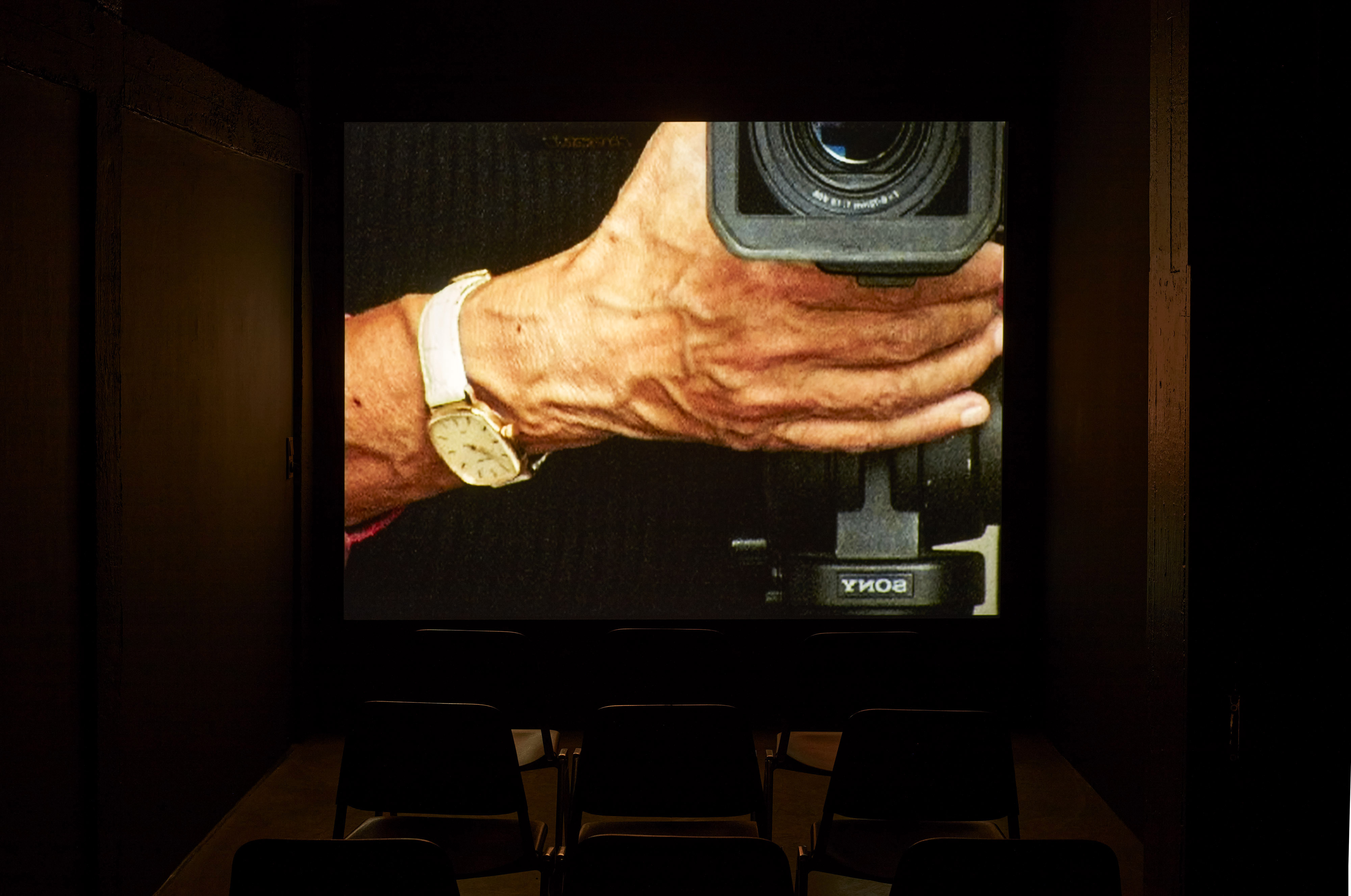
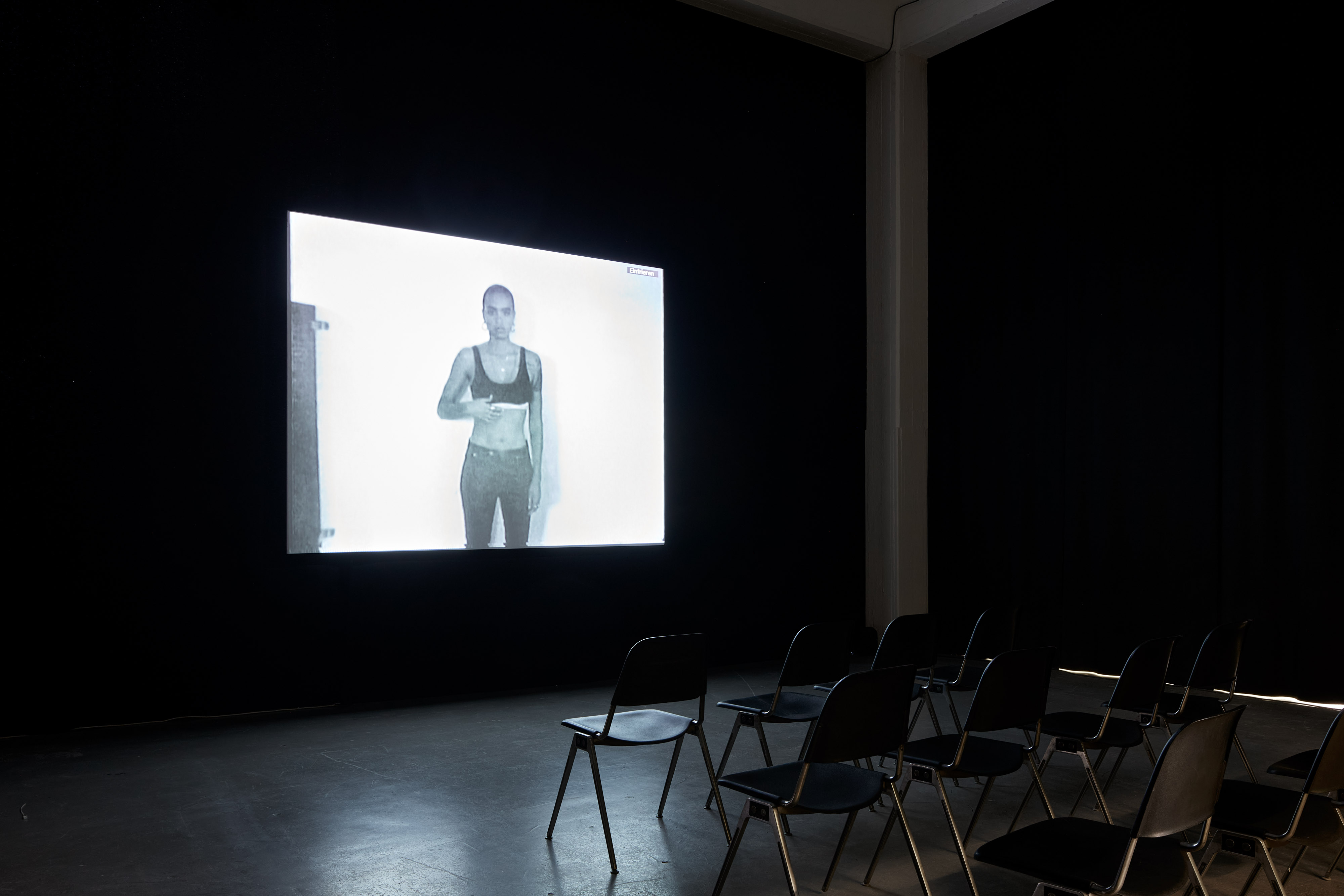
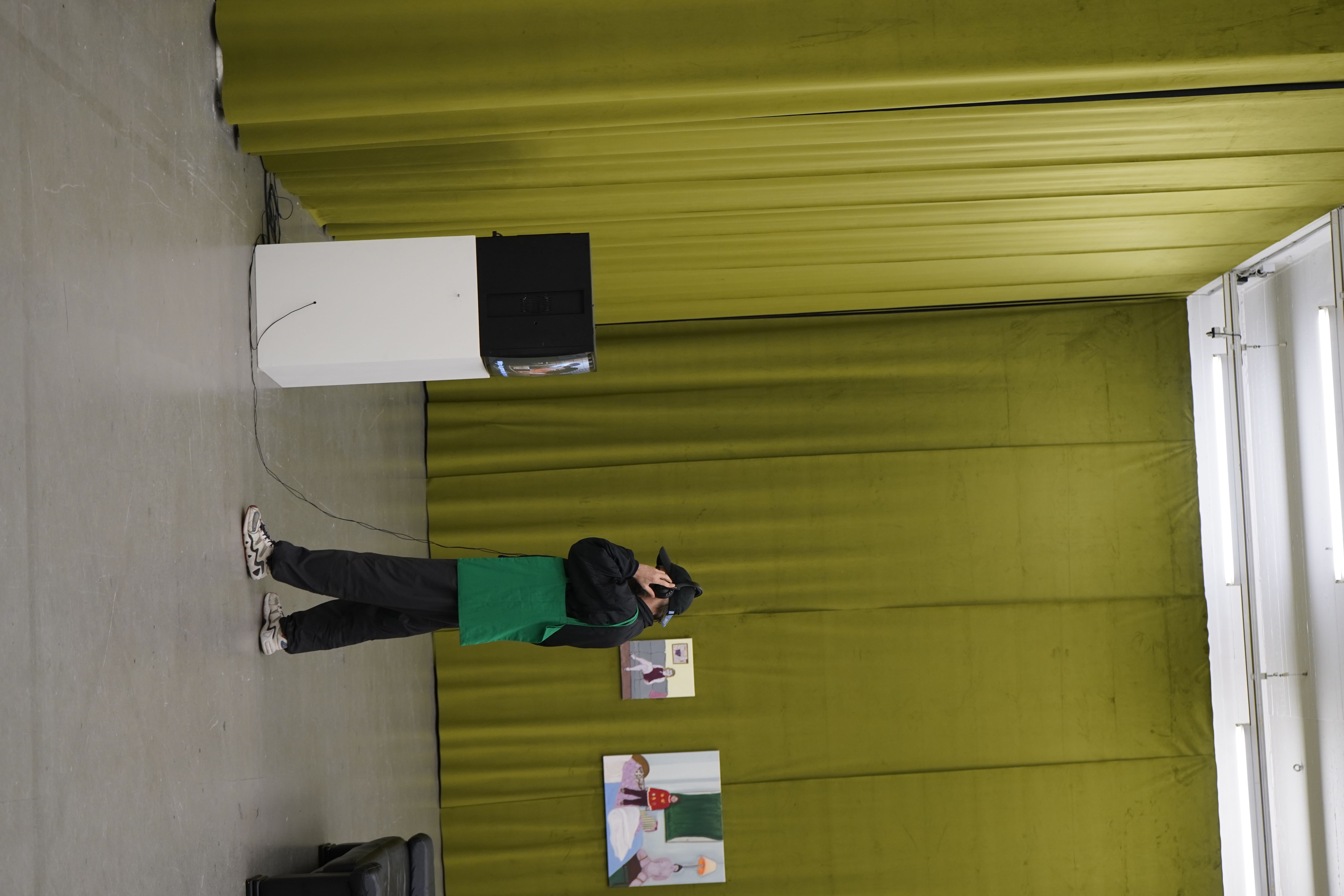
Anna Daučíková: Surveil by Dina Akhmadeeva focuses on the video 33 Situations (2015), in which the artist Anna Daučíková’s personal memories of queer life in the Soviet Union are interwoven with archival and documentary elements to form a counter-narrative to state surveillance. The work reverses the gaze of surveillance and connects intimate fantasies with political structures, revealing the latent power of queer experience across time and systems.
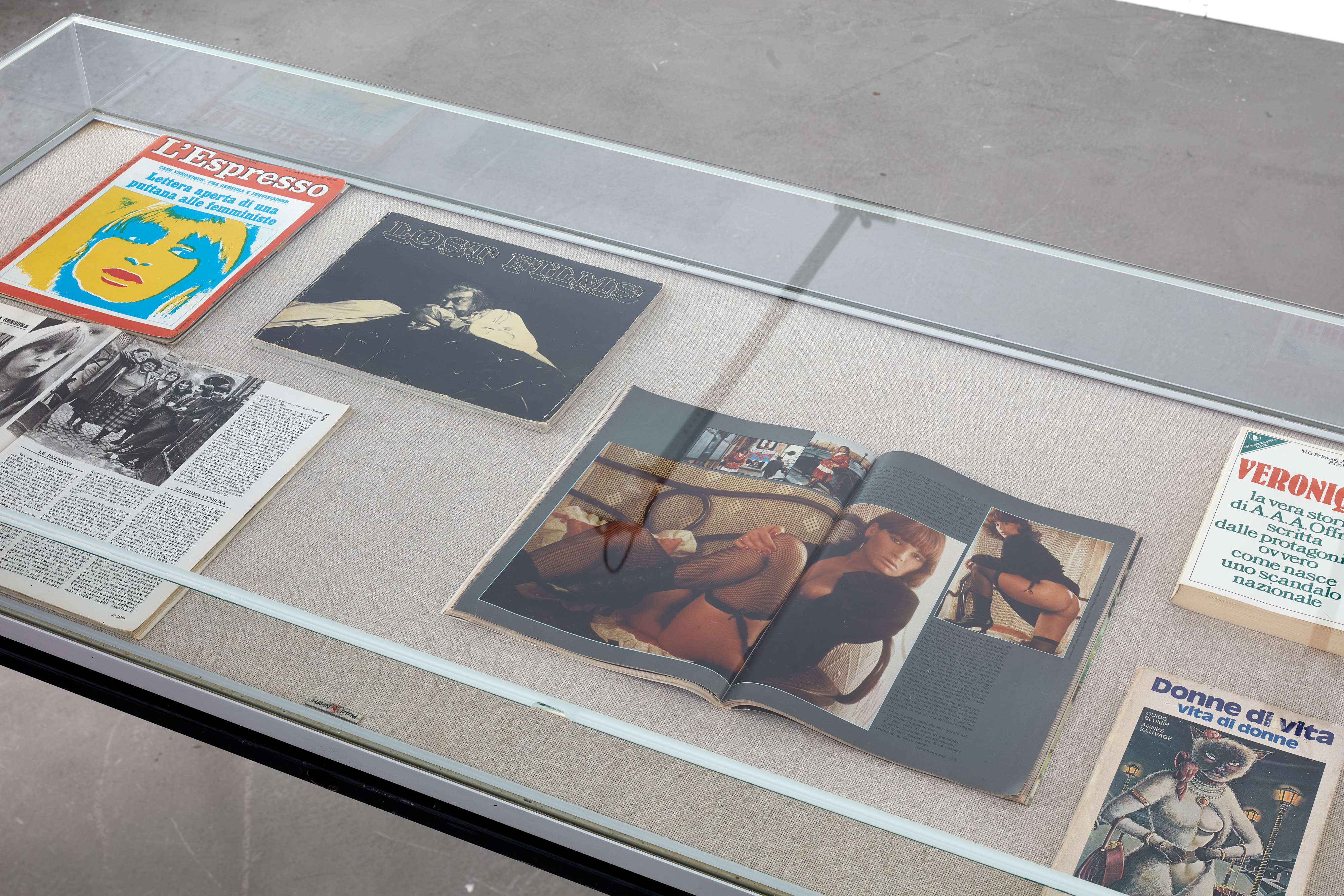
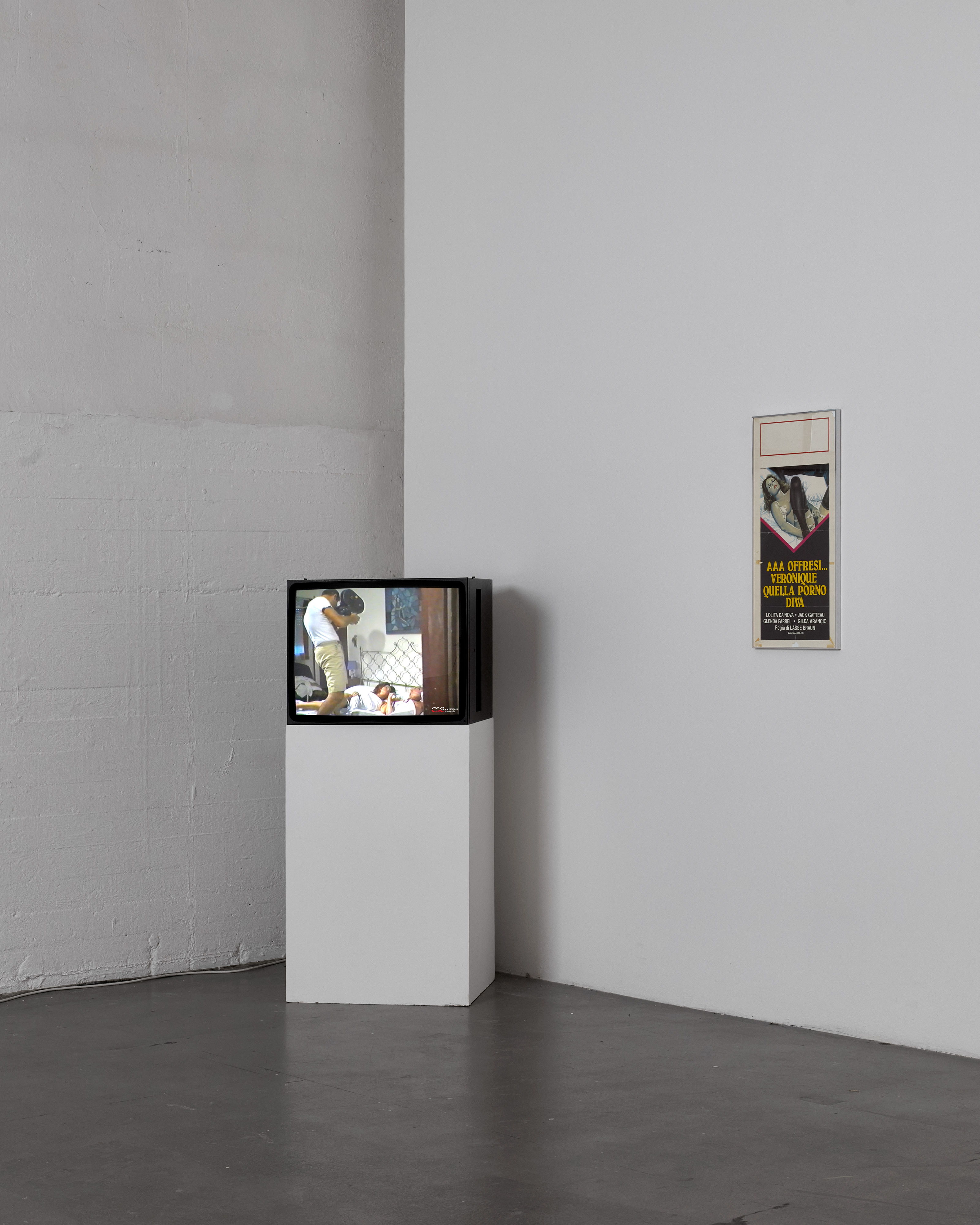
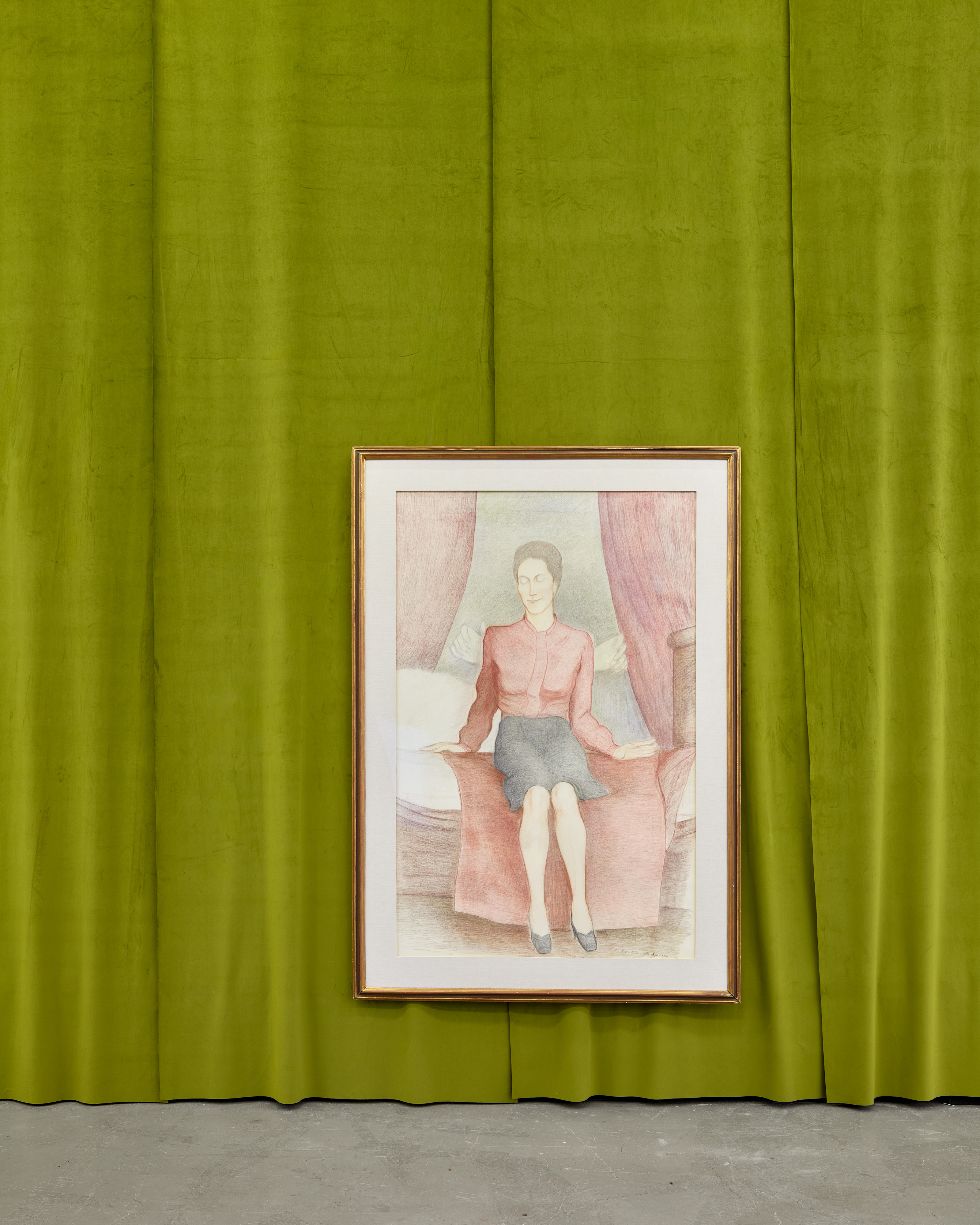
The Secret Mirror, or, the Disappearance of A.A.A. Offresi by Erika Balsom reconstructs the history of the feminist observational documentary A.A.A. Offresi (1981), a film that records the interactions of a French sex worker and her clients. The film was censored for allegedly violating morality and privacy, triggering political conflict over its right to be shown, and is since considered lost. Presenting the film through materials that constellate around its absence, the exhibition brings to the fore controversy surrounding sexuality, power, and the public.
With works by Maria Grazia Belmonti, Anna Carini, Rony Daopoulo, Paola De Martiis, Annabella Miscuglio, and Loredana Rotondo.
Angela Harutyunyan’s Sex Tapes: Desire of Technology and Technology of Desire looks to Armenian video art from the late 1990s and early 2000s, in which bodies, sexuality, and politics are negotiated in the context of post-Soviet transformation. The videos, which at the time were shared on VHS to enable experimentation outside of state-controlled institutions and channels, reflect on the ambivalent intertwining of technological and sexual desire.
With works by Sona Abgaryan, Diana Hakobyan, David Kareyan, Tigran Khachatryan, Tsomak (Armine Oganesova), Incest (Tsomak, Nata, and Naira Tadevosyan), and Harout Simonian.
Das Gold der Liebe II by Charles Teyssou and Pierre-Alexandre Mateos explores the ambivalence of discipline and pleasure and offers an analysis of how the body in this context comes to sit at the intersection of sexuality, desire, and social order. Teyssou and Mateos propose a utopian counter-order in which lust serves, not as control, but communal re-creation. Exploring this junction, the exhibition seeks out practices related to discipline and pleasure, critiquing the suppression of physical impulses as the foundation of Western civilisation.
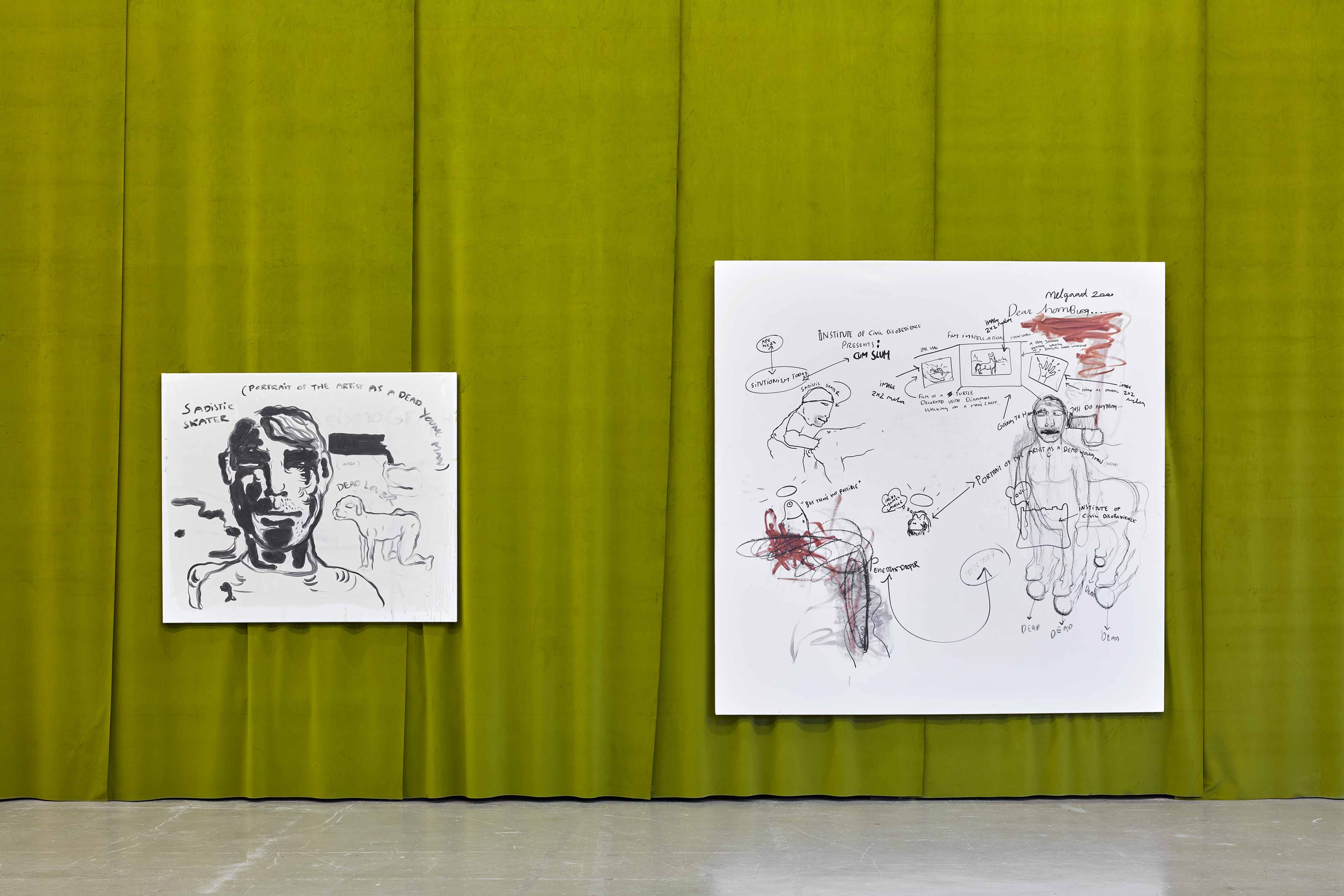
With works by Anna Mária Beňová, Günter Brus, Michel Carrouges, Shu Lea Cheang, Mark Dion, Peter Friedl, Nikolay Georgiev, Wiktor Grodecki, Libuše Jarcovjáková, William E. Jones, Pierre Klossowski, Paul McCarthy, Tiona Nekkia McClodden, Bjarne Melgaard, Shōzō Numa, and Nguyen Tan Hoang.
On the Origins of the 21st Century or the Fall of Communism as Seen in Gay Pornography is organised by Milan Ther with Christian Bätjer, Dr Martin Karcher, and Sarah Messerschmidt.
The exhibition is realised with the kind support by the Hamburg Ministry for Culture and Media, with special thanks to the Falckenberg Collection for their generous support.
exhibition reviews and articles :
https://spikeartmagazine.com/articles/review-on-the-origins-of-the-21st-century-kunstverein-in-hamburg
https://www.moussemagazine.it/magazine/on-the-origins-of-the-21st-century-or-the-fall-of-communism-as-seen-in-gay-pornography-kunstverein-in-hamburg-2025
https://www.e-flux.com/announcements/671026/on-the-origins-of-the-21st-century-or-the-fall-of-communism-as-seen-in-gay-pornography
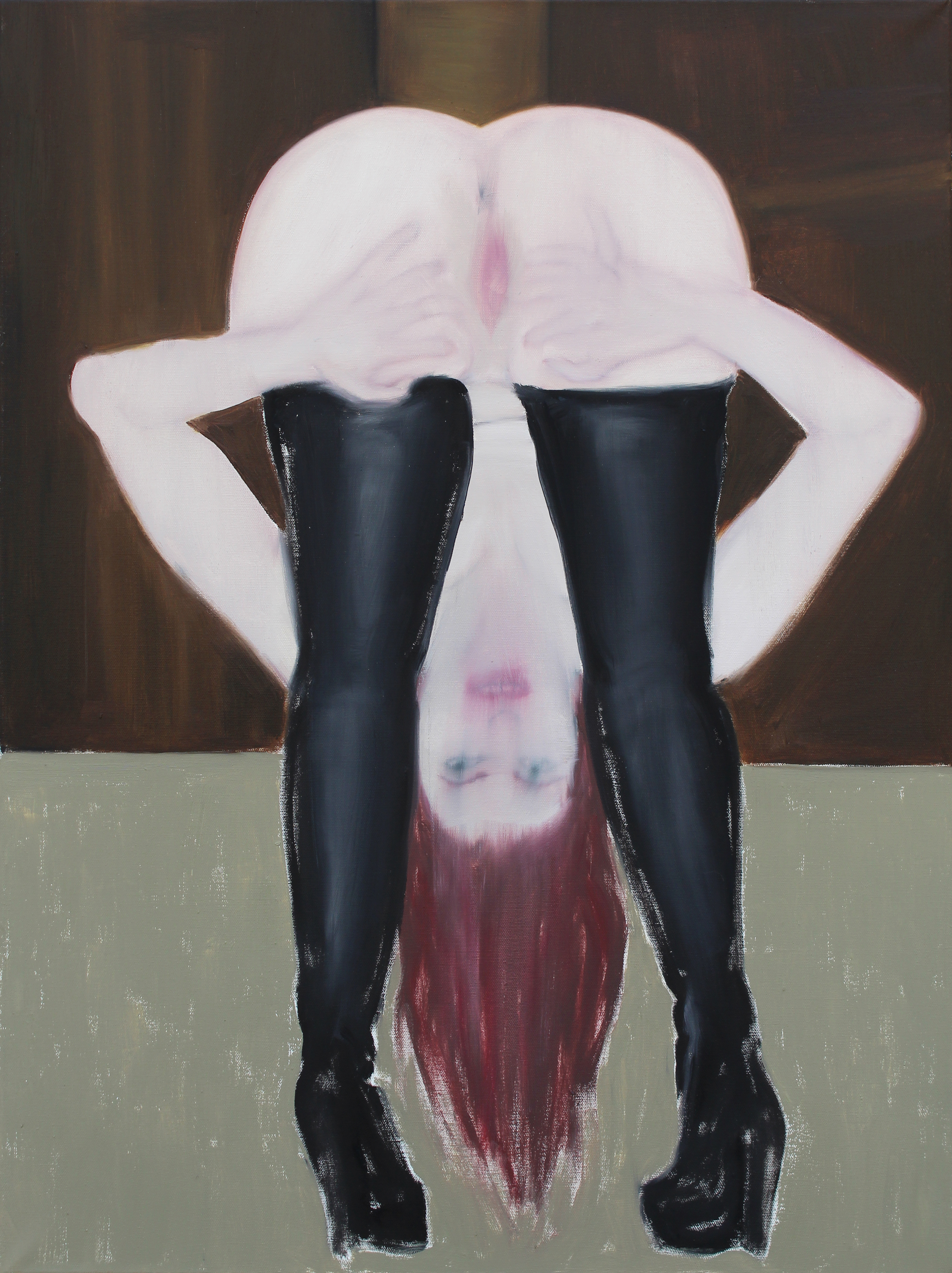
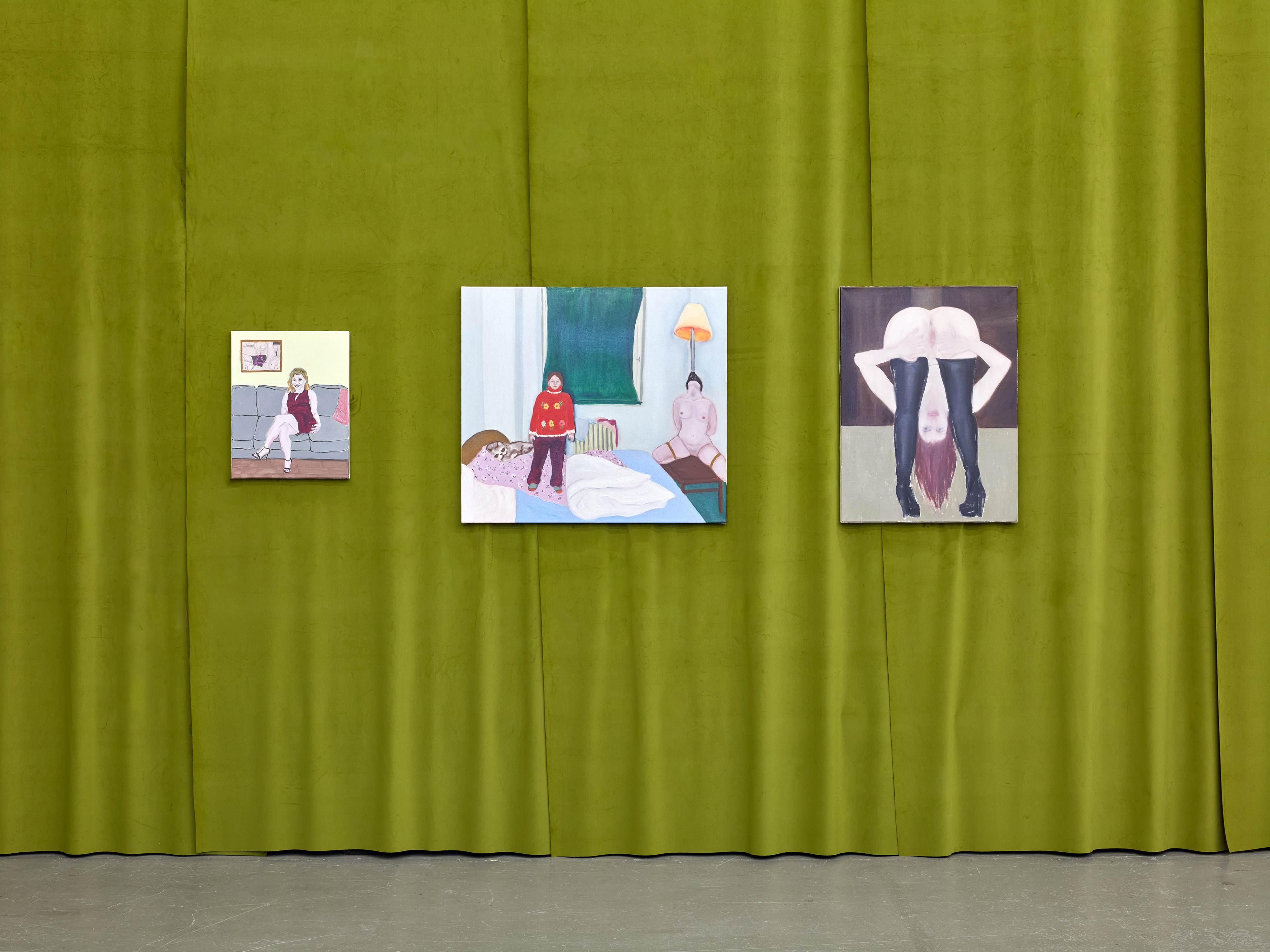
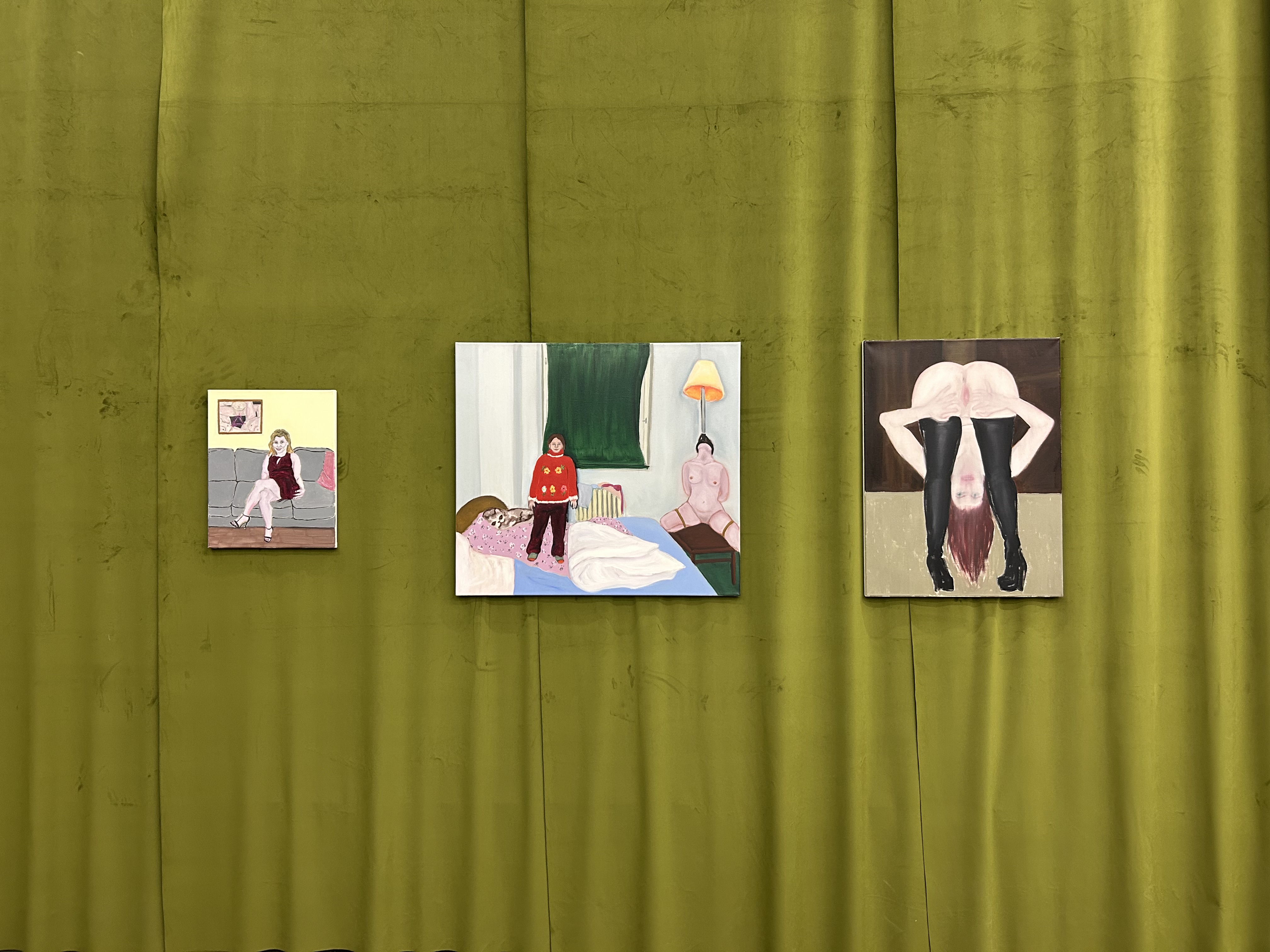
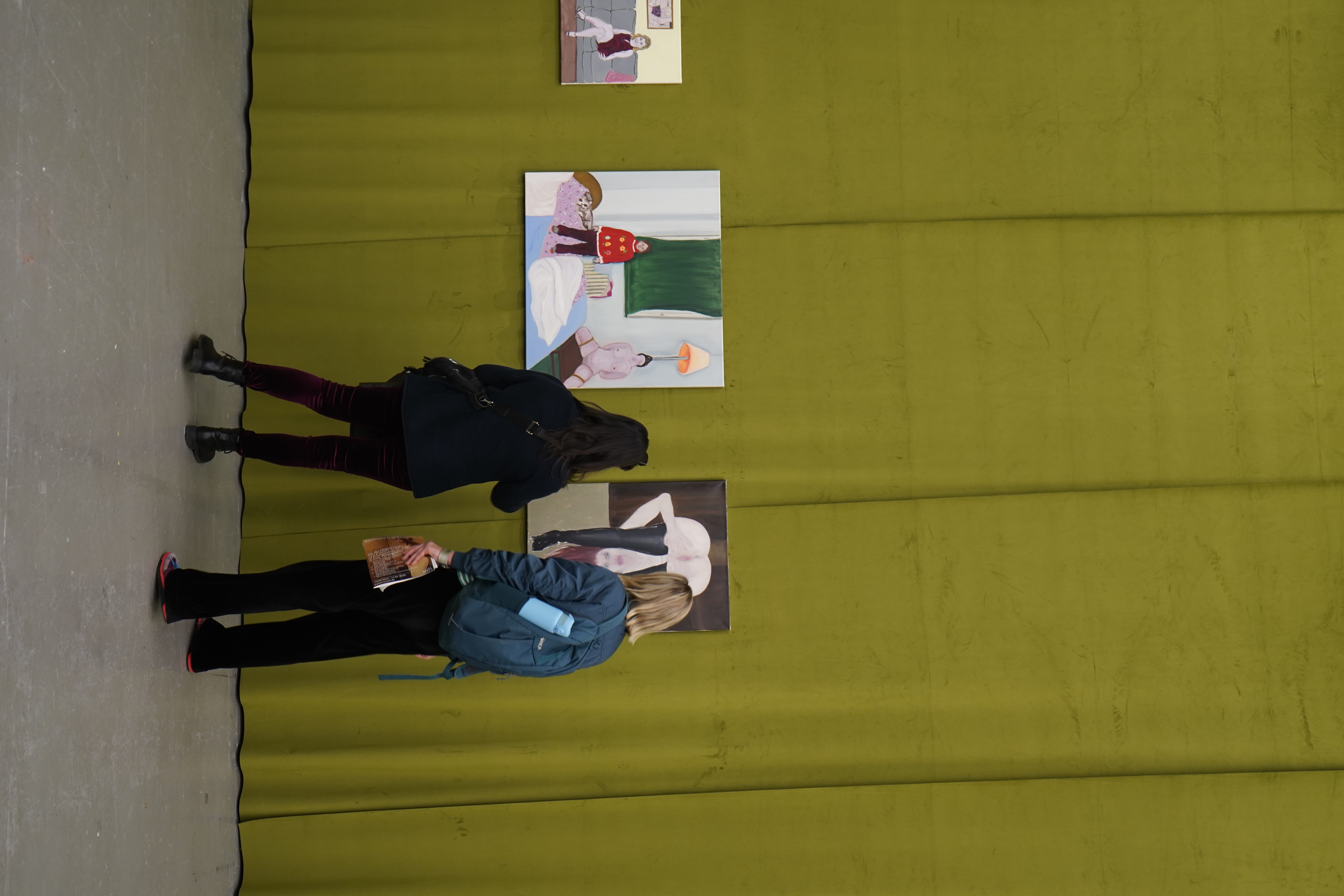
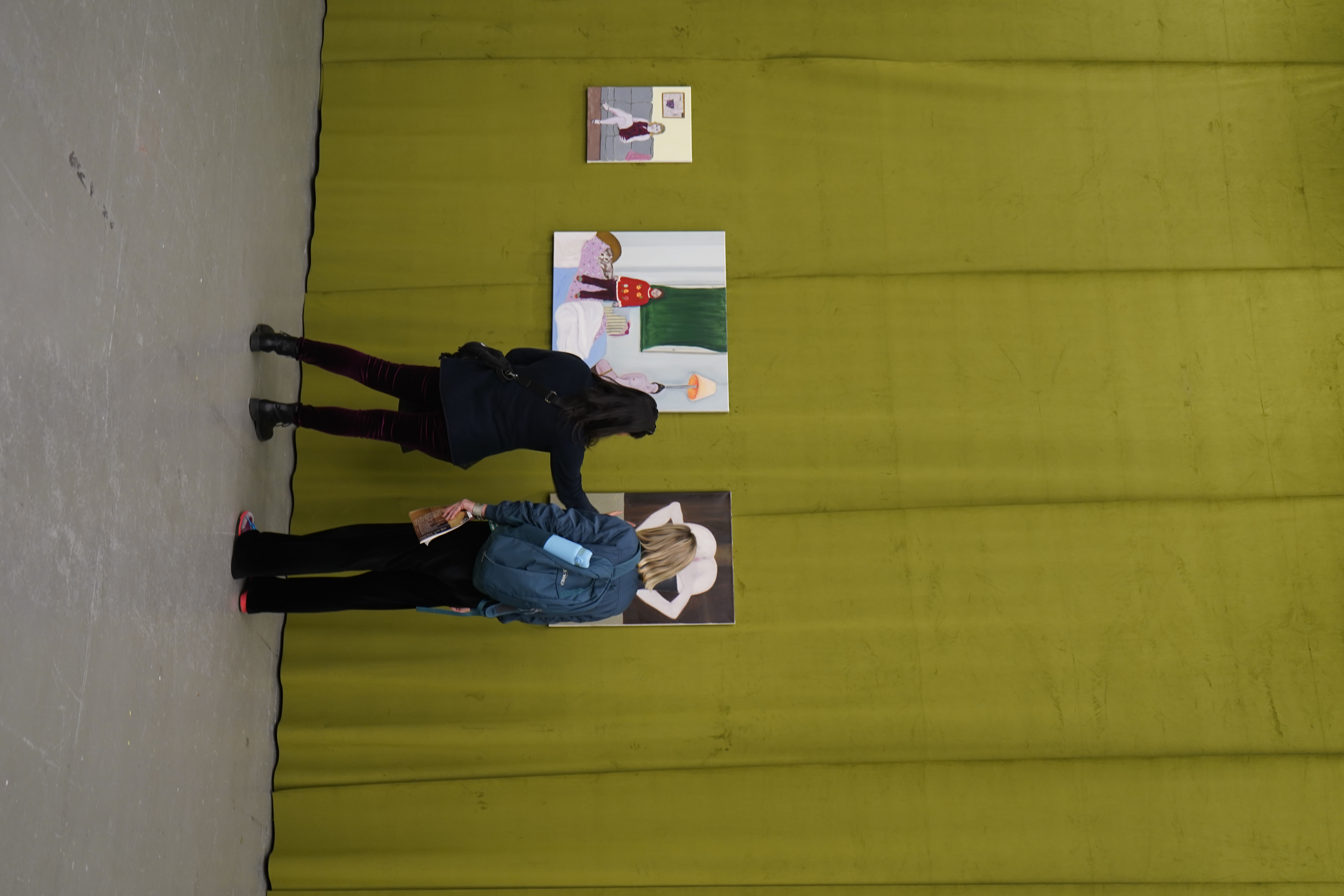
Get bend, oil on canvas, 80x60 cm, 2020
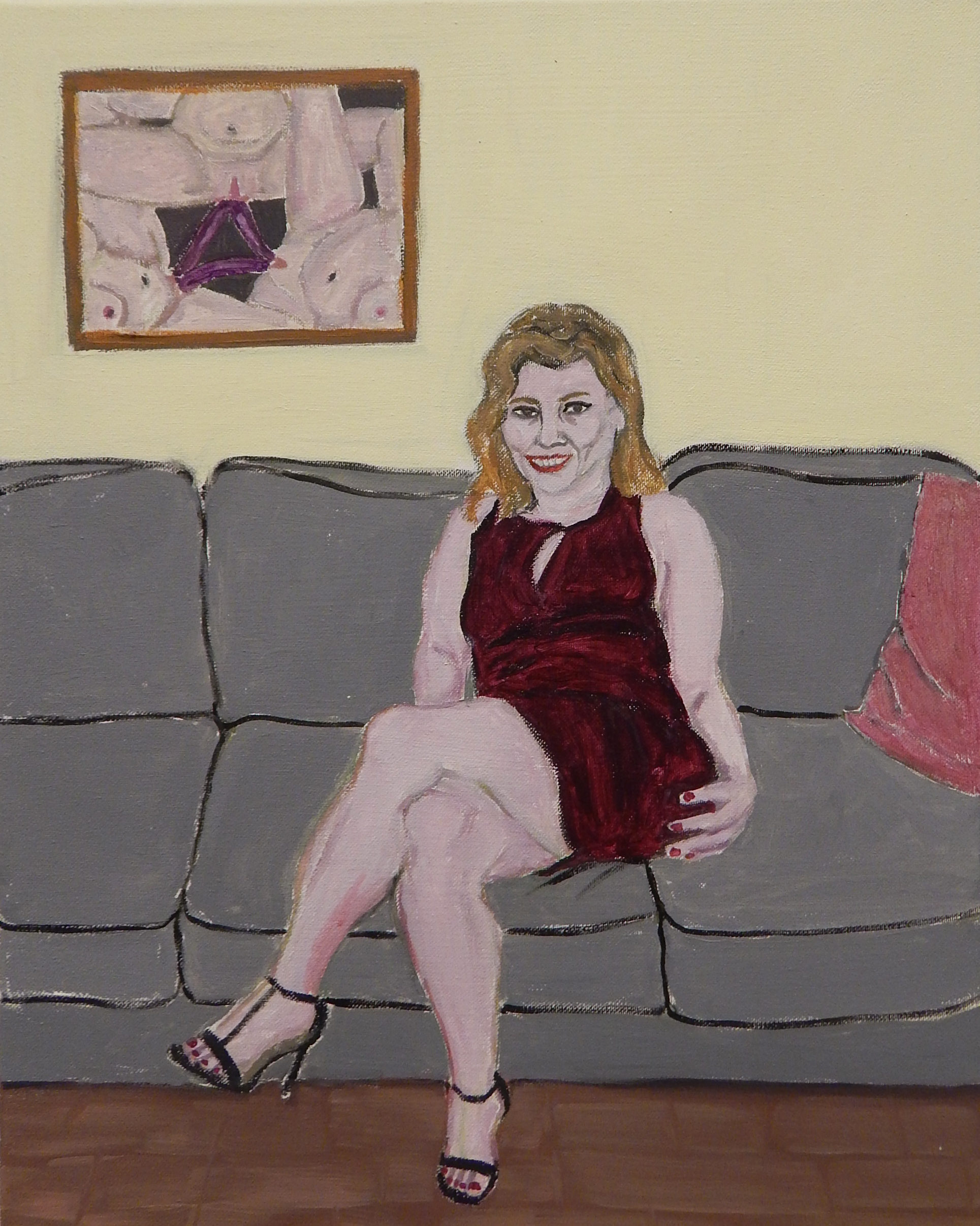 Everyday moments, acrylic on canvas, 50x40 cm, 2020
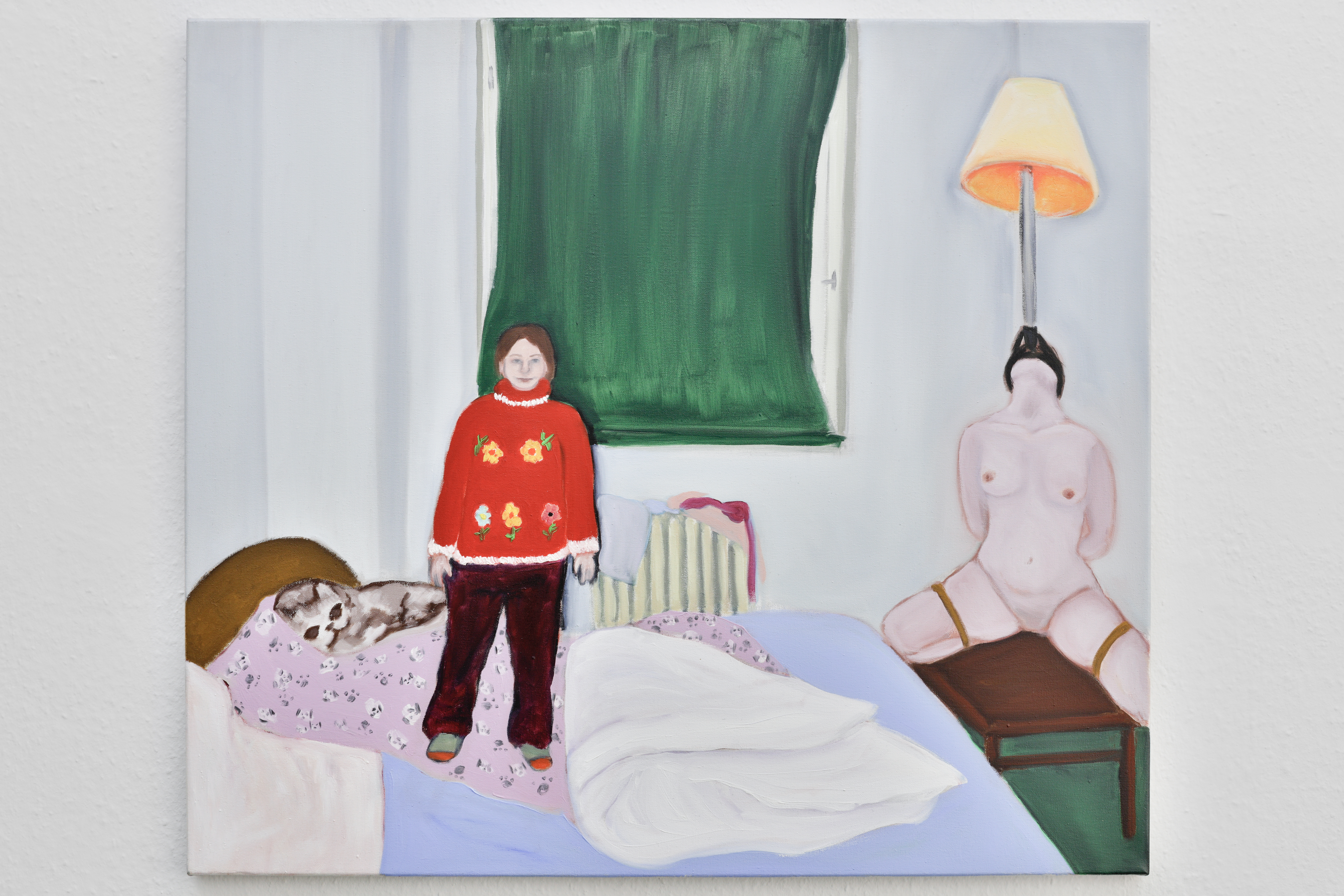 Everyone has a big car and everyone is alone in it, oil on canvas. 80x100 cm, 2020